
Where we work
Vision inspection by industry.
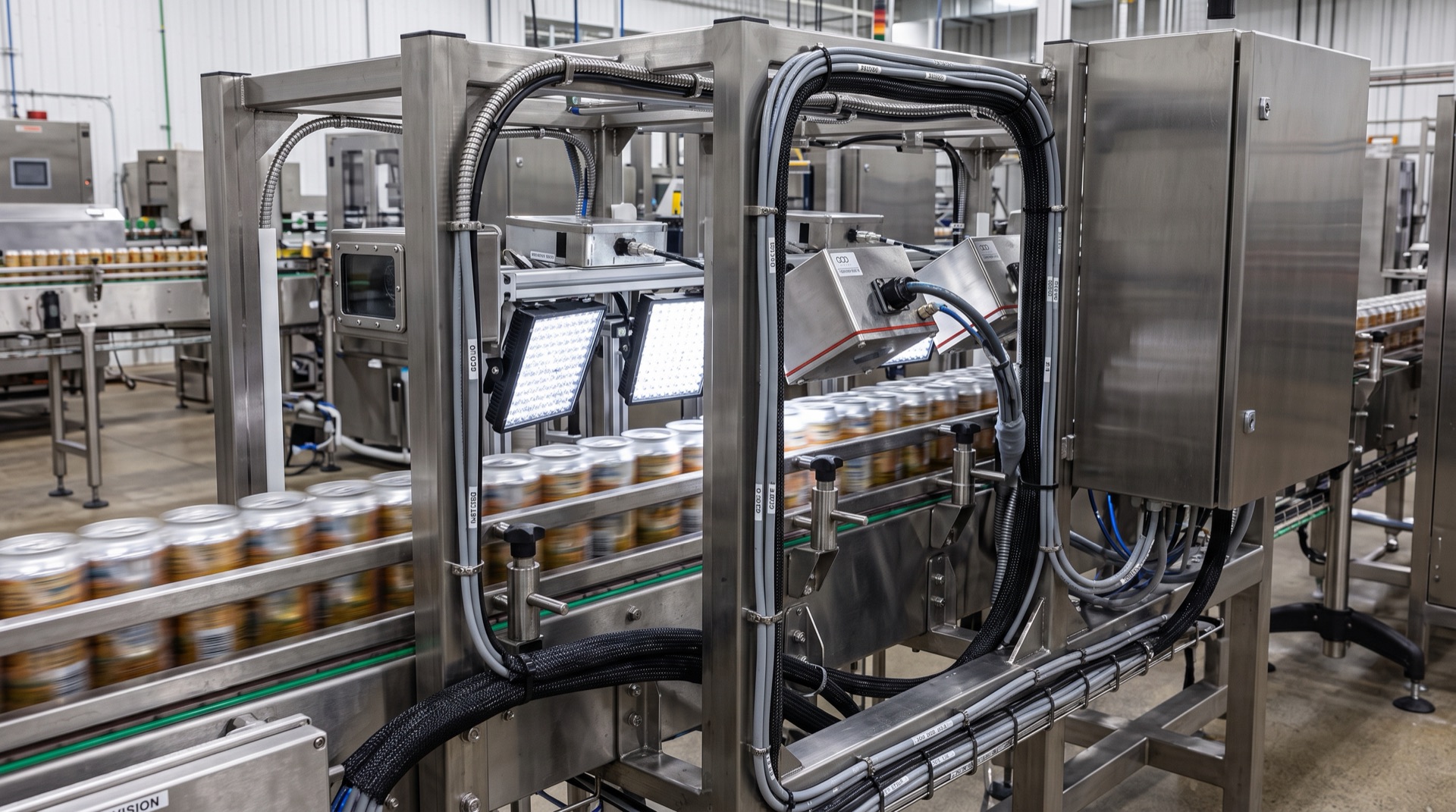
Food, beverage, packaging, pharmaceutical, and medical devices. A vision inspection station is a camera, a light, and a decision on the line. It looks at every product, decides pass or fail, pushes the bad one off the belt, and saves a picture of why.
Quality, plant engineering, and operations usually call when bad product is getting out, good product is being thrown away, or there is no record of who overrode a fail. Pick your industry below to see the faults we get called for most, how the station stops them, and the rules your quality team plans around.
Plants
Plants we build for.
Open an industry for the faults on that line, how a station stops them, and what the trade press is writing about it.
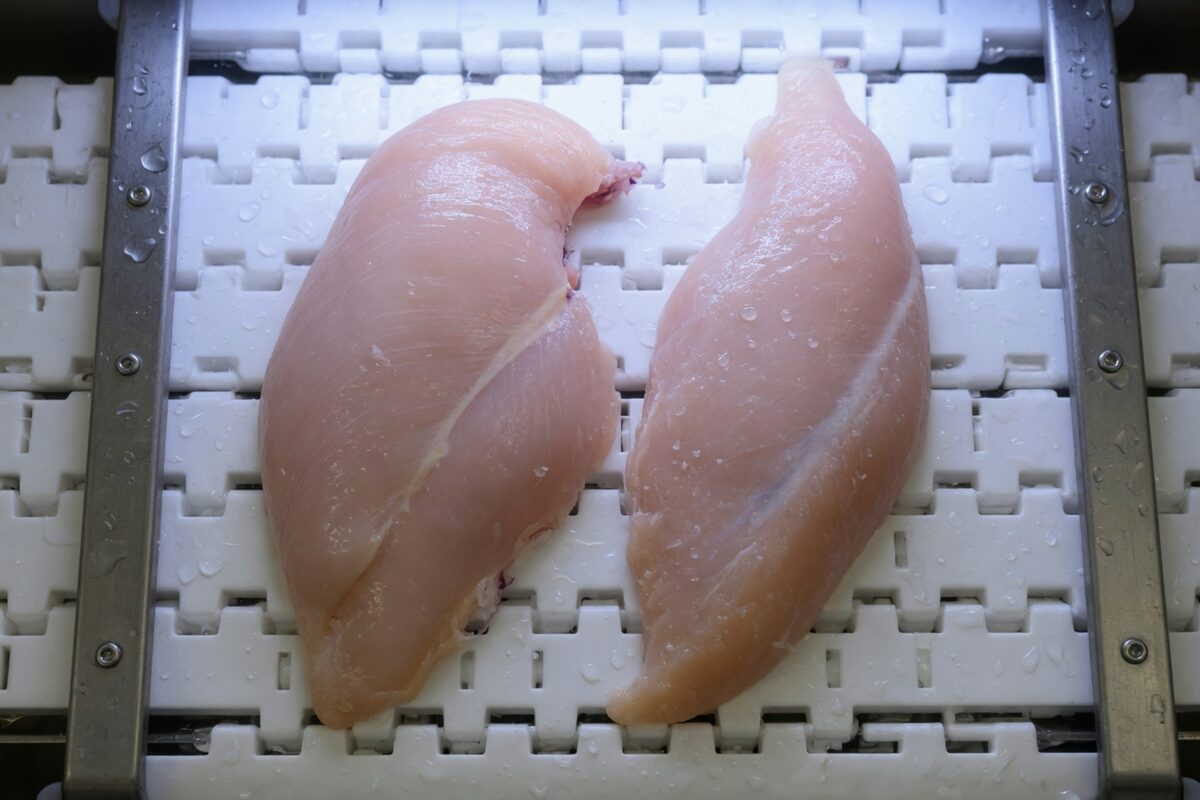
Food
Food lines: foreign material, fills, seals, and labels.
Foreign material the metal detector cannot see, a fill that drifted, a seal that did not close, last run's allergen label, and one light piece missing from the tray. Camera and lighting sit in a washdown frame. A bad pack is rejected or held on the line, and its picture is saved with the lot. FSMA, the FDA food-safety rule (21 CFR 117 preventive controls), is planned with your quality team on that station.
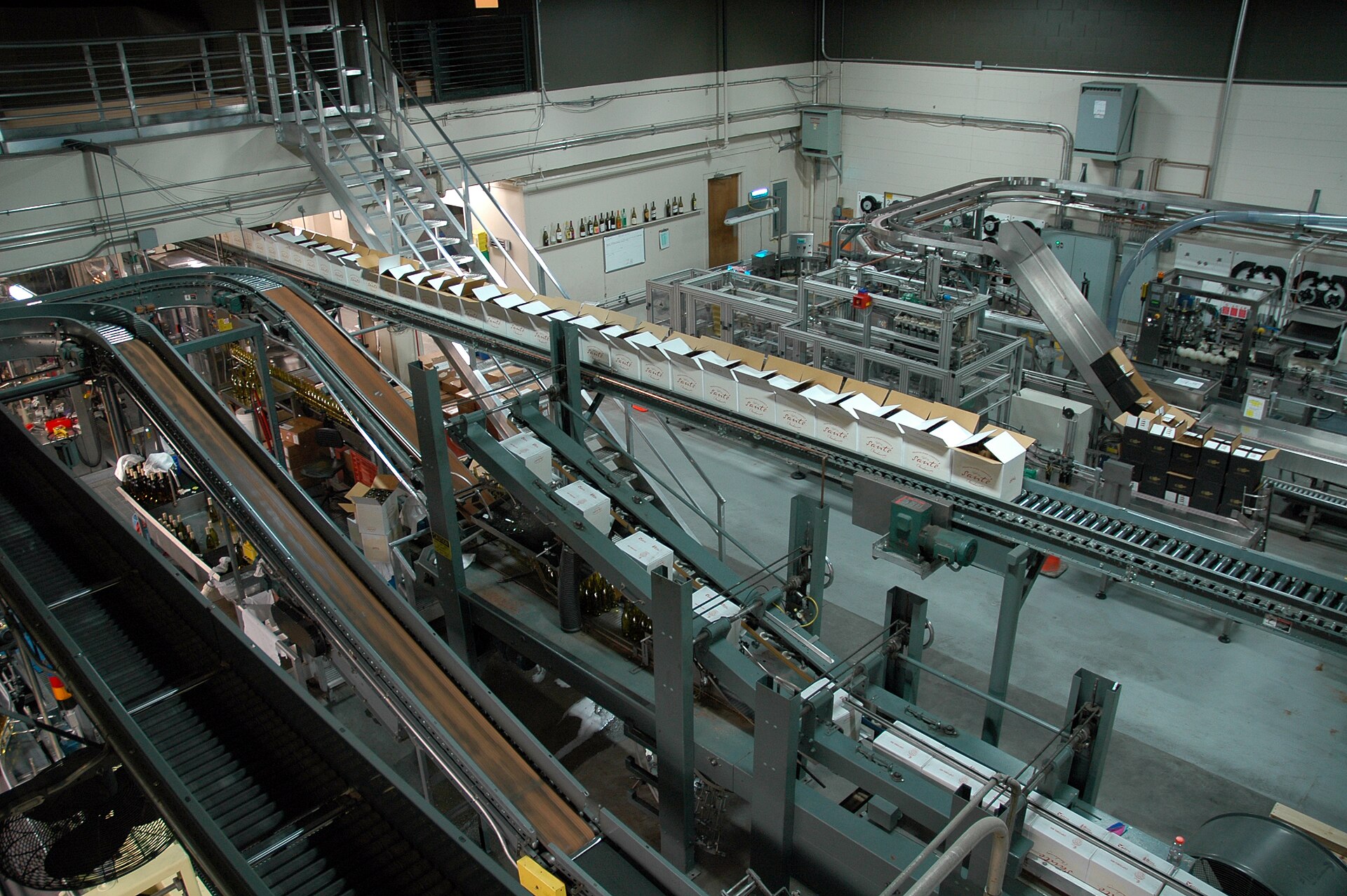
Beverage
Beverage lines: empties, fills, caps, and labels.
A chipped or dirty container that reaches the filler, a valve that drifted, a cocked cap, the wrong label after changeover, and good bottles thrown out after the limits were tightened. Bad bottles are rejected or held from the operator screen, and the log stays with that station.

Packaging
Packaging lines: codes, print, closures, and counts.
A lot code that will not scan, print that shifted, a case that did not close, the previous product still in the line, and one unit missing from a case the scale still passes. When the line switches products, the last reject stays in the log so the next shift can see it.
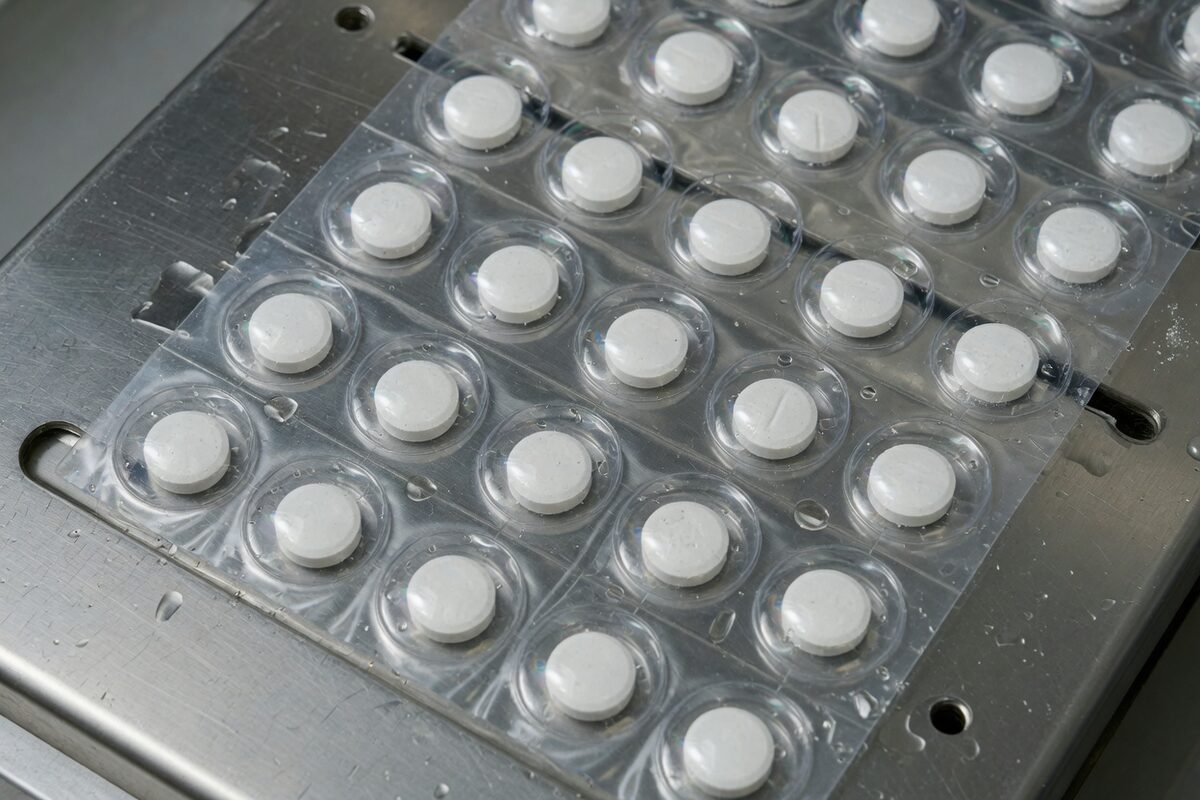
Pharmaceutical
Pharmaceutical lines: blisters, leaflets, serial numbers, and records.
A serial number that does not match its case, an empty blister pocket, the wrong leaflet, a reject log an auditor cannot use, and a bottle with no desiccant or two cottons. Each reject is saved with the camera result, the operator signed in at the screen, and the reason, before the reject fires. 21 CFR Part 11, the FDA rule for electronic records, is planned with you when the room requires it.
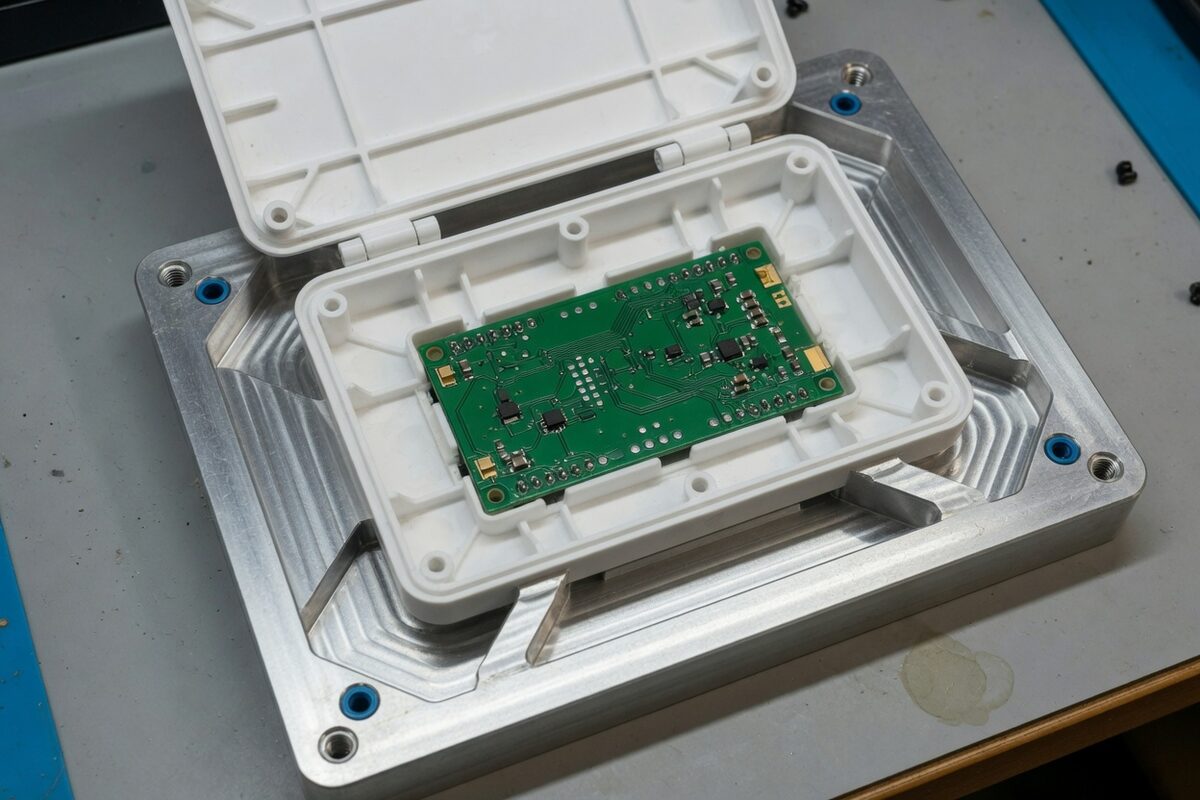
Medical devices
Medical device lines: assemblies, UDI labels, and pouch seals.
A component that never landed, a cosmetic call that changes with the shift, a UDI that was printed but not graded, a device history record that never received the result, and a channel in the pouch seal. The seal check does not replace package validation. The control panel, camera, operator screen, and site acceptance are on your floor, under FDA QMSR, the quality system rule for device makers.
Not sure?
Not sure which page fits? Use the line finder.
Pick your industry and the problem you see on the line. The line finder shows why it happens and how we fix it. If it is still unclear, send good and bad parts for a vision assessment: a written check before any proposal.
Next
Tell us about the system.
Tell us the application and the industry. We specify the system for that room, including FDA-regulated rooms, then run site acceptance with your operators.