Packaging

A code that will not scan, or a case that is one short.

Packaging lines are judged on what the customer sees and what the scanner can read. A smudged lot code, a flap that did not glue, the previous SKU left in the magazine, or one pouch missing from a case that still makes weight. Downstream is where these get found, which is late.

A code that will not scan on a case is wet ink, a missing lot code, or a barcode whose bars have run together. The case still closes, and the scale still passes the weight. The failure shows up when the warehouse scans the case, or when that lot has to be traced. The station grades the code on the case, alarms when the printer starts to drift, and holds the case before it leaves the line.

On the line

What goes wrong.

Code, print, closure, mixed product, and a short count are five different failures. A code is graded on its worst printed part. An open flap is presence. A short case is a count. Mixed packs are identified, not weighed. Print that walks is a judgment against the limit quality already set.

Select a fault. The pictures show what we reject, and what still ships.

Date and lot codes are unreadable
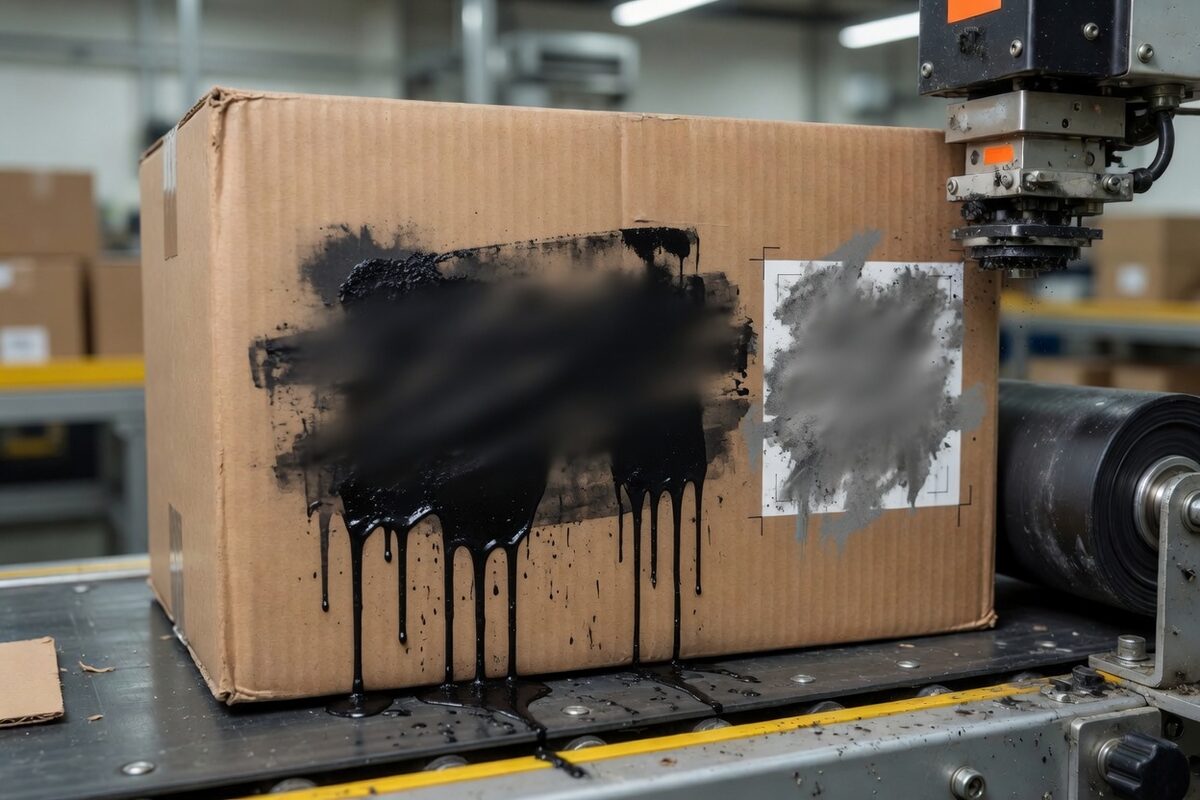
A barcode whose bars are smeared together
The fault. The code is a smear. There is nothing left to read or to grade.
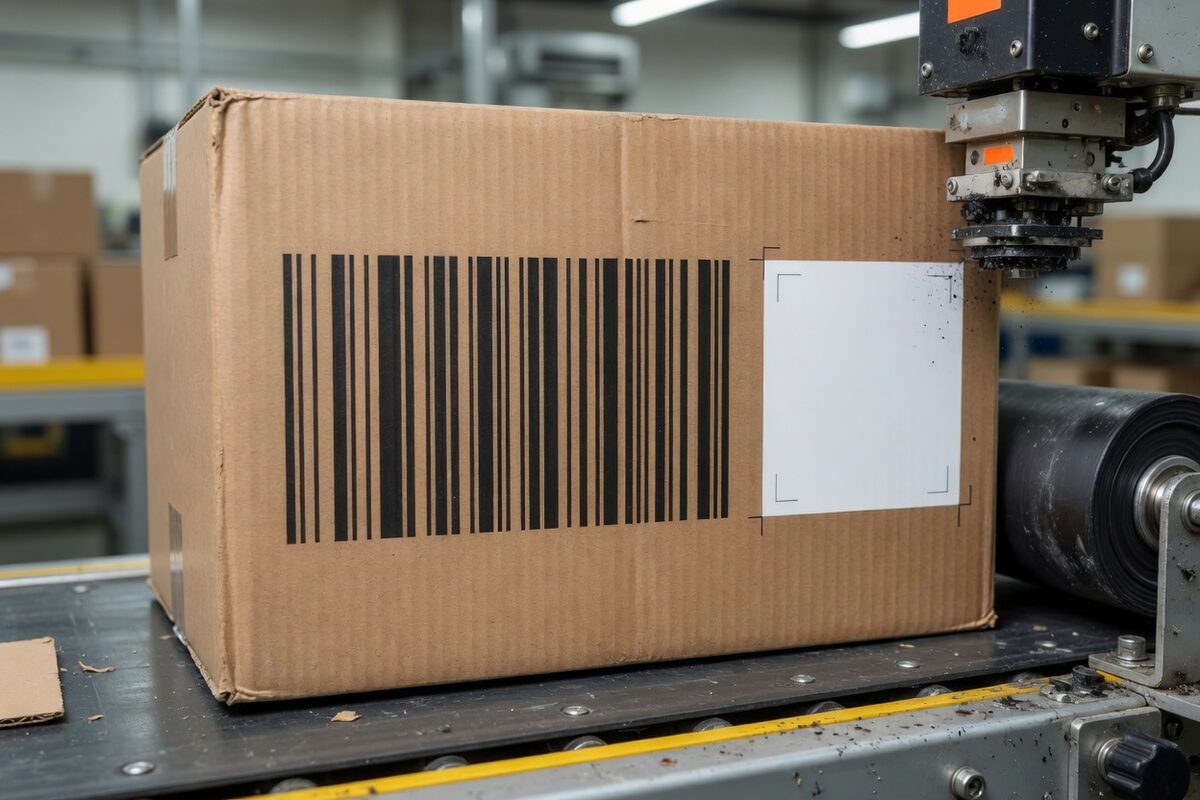
A barcode of separate bars
Still good. The barcode is a set of separate bars. There is no smear.

Grade. The code is scored on its worst printed part, not waved through because one scanner beeped. A smear has nothing left to score.

How we fix it. Every code is checked against the value it is supposed to be. Barcodes are graded, not just passed or failed. A scanner beep is not a grade. The grade names the worst part of the mark, so the printer is corrected while the code can still be read. The line alarms when the printer starts to drift, before the codes turn unreadable. The result is logged before the case moves on.

Where this fits: Barcode tunnel · Barcode station · Barcode check-digit tool
Print and graphic defects

A brown carton with the color band shifted up and a bare patch of board
The fault. The color band has walked off, and a patch of the carton never got ink.
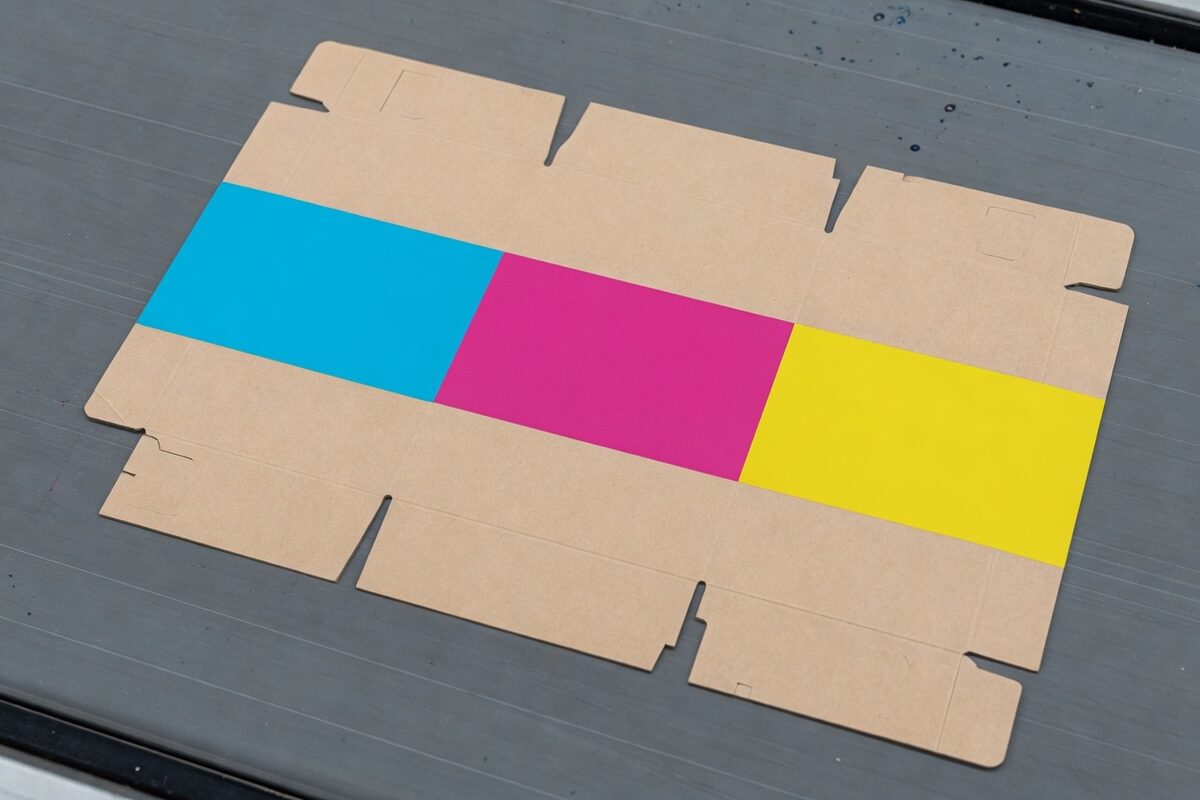
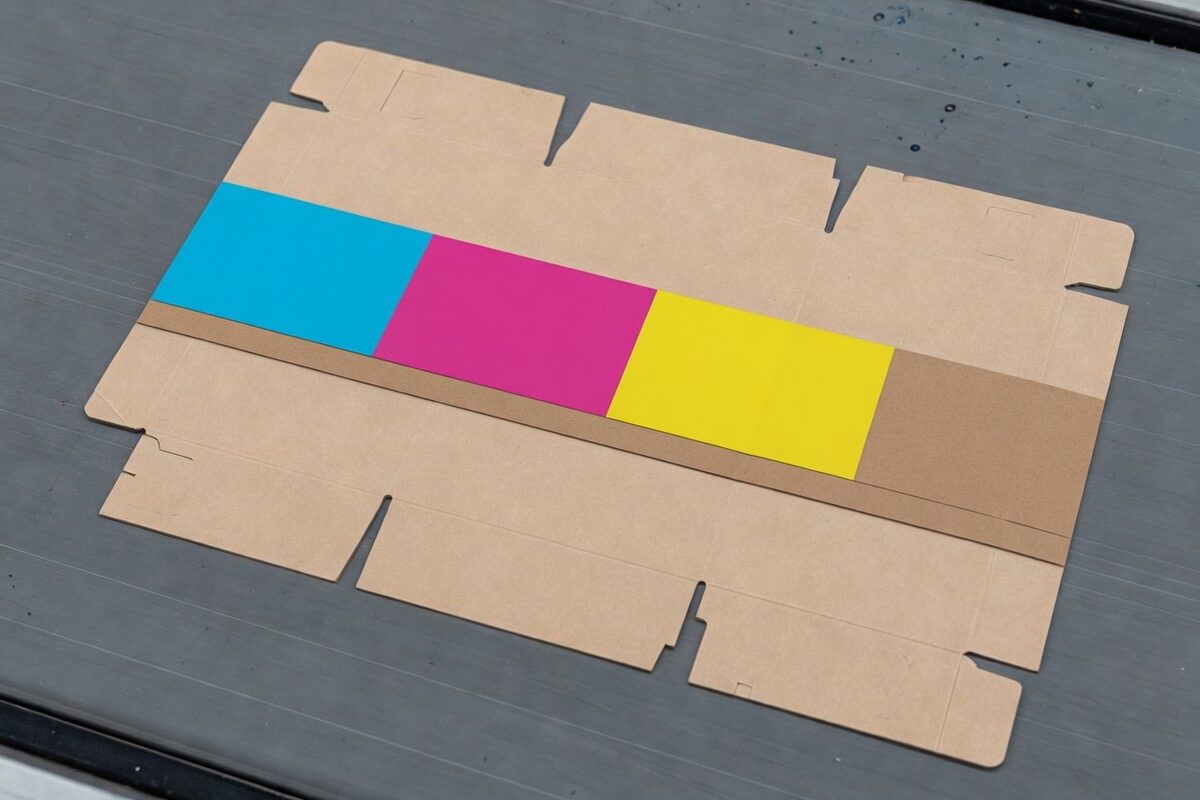
A brown carton with cyan, yellow, and magenta blocks meeting in one band
Still good. The colors meet in one band.

Judgment. Color and registration move a little on every carton. Quality sets what is still shippable. Inside that limit the carton goes. Outside it, the carton is held.

How we fix it. Print inspection is tuned to the artwork and the substrate you actually run. Defects are classified so a repeating fault points at the cause. Divert or hold keeps the image.

Where this fits: Single-camera station

Carton and case closure failures

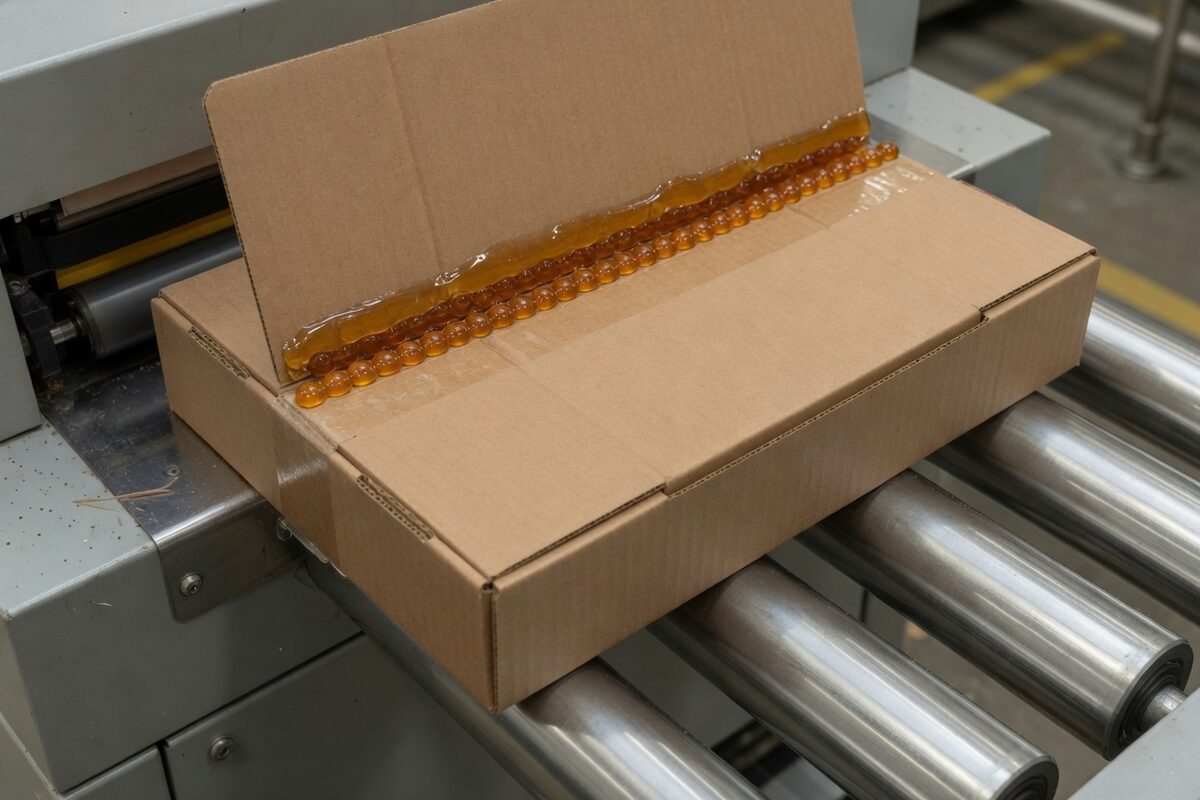
An open carton flap with the glue bead in the opening instead of under the flap
The fault. The flap is open. The glue bead missed it.
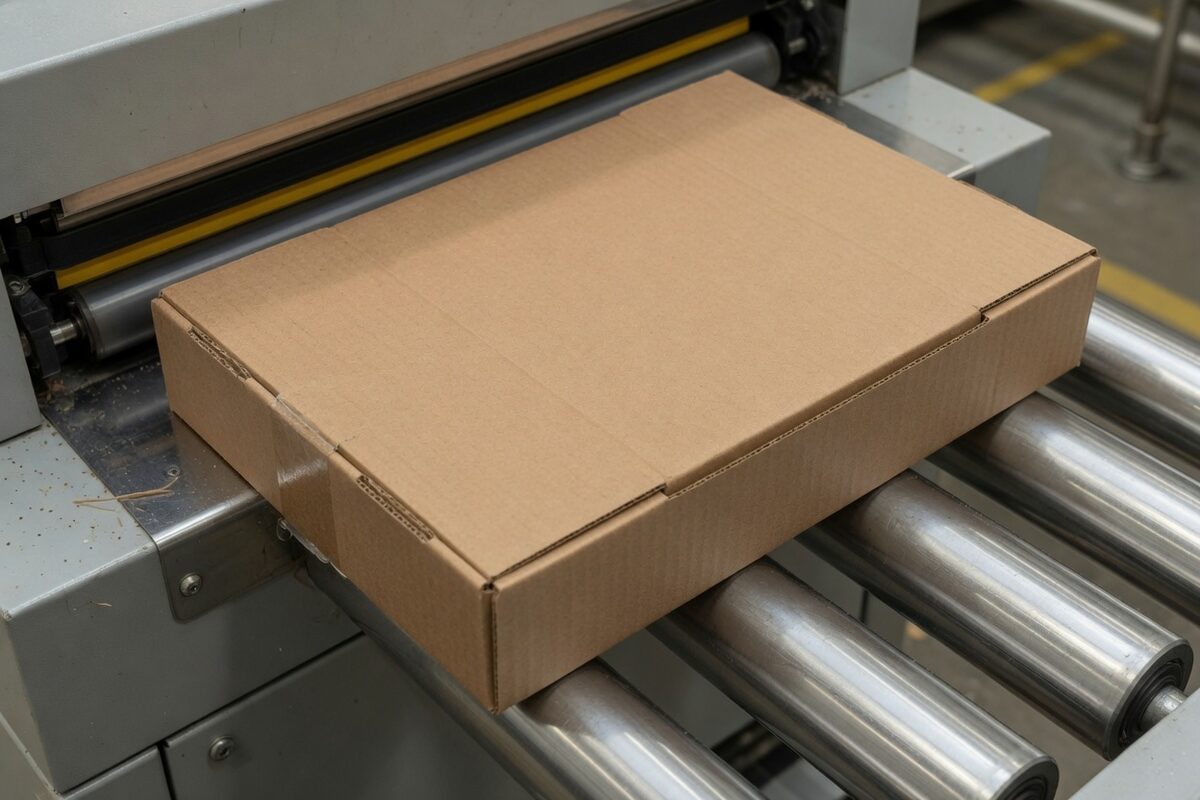
A closed carton with the flap down
Still good. The flap is down. The glue is under it.

Presence. The flap is closed or it is not, and the glue is under the flap or it is not.

How we fix it. Closure and glue are checked before the palletizer. The fault is tied back to the machine that caused it, so the next case is not a mystery.

Where this fits: Single-camera station

Mixed SKUs on the line

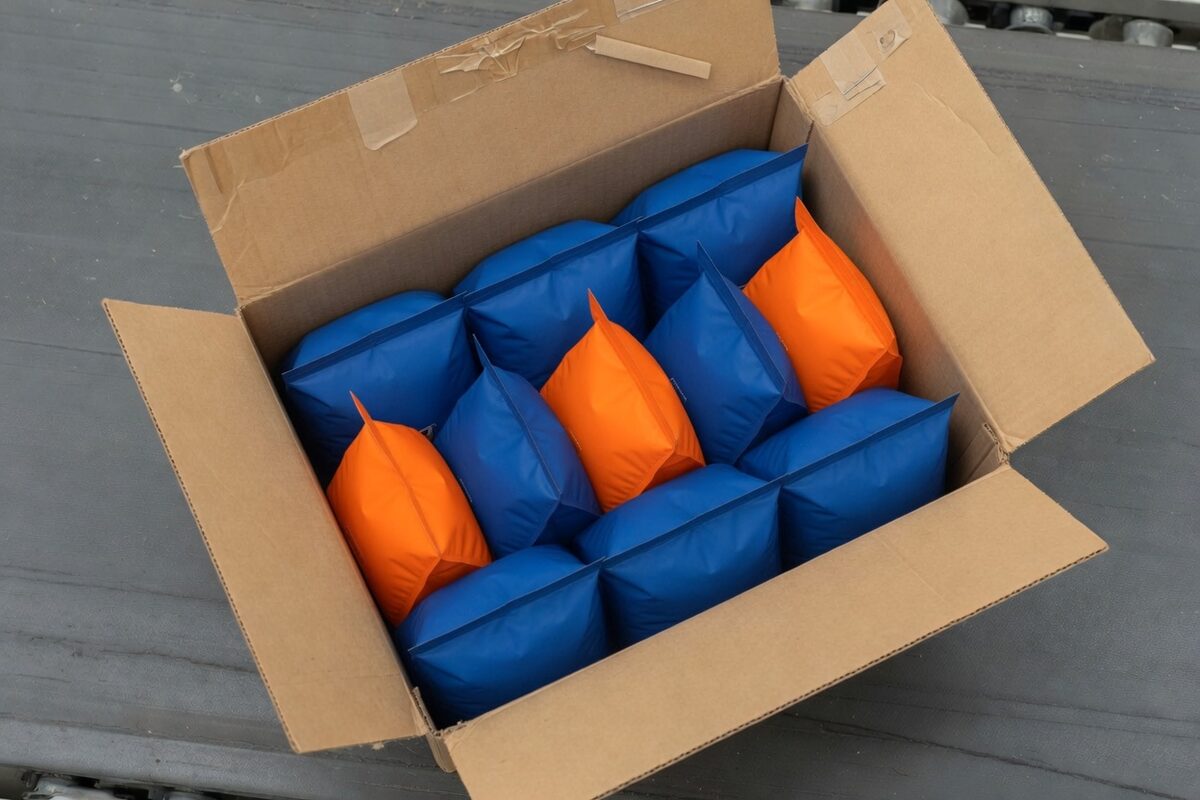
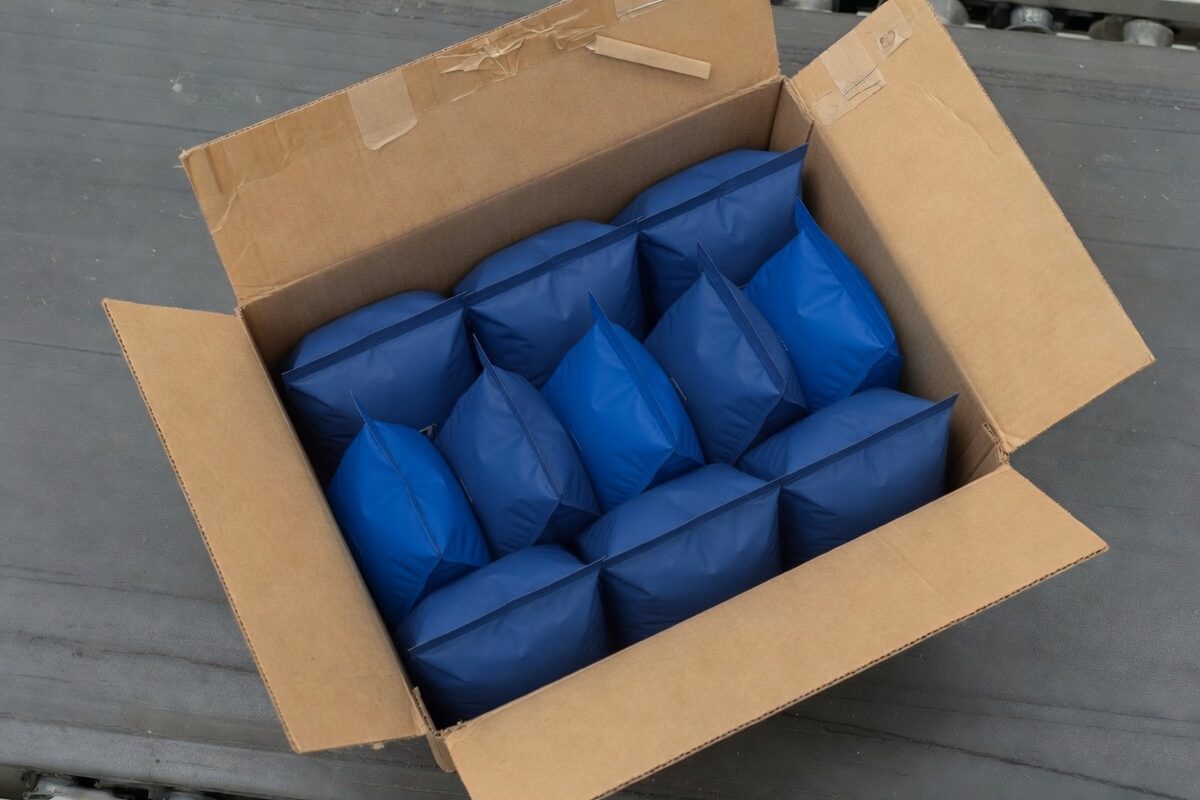
An open case packed mostly with blue pouches and three orange pouches mixed in
The fault. Three orange pouches in a case of blue. The scale will not catch that.
An open case packed only with blue pouches
Still good. Every pouch in the case is the same.

Identification. The orange pouch and the blue pouch can weigh the same. The camera names the pack. The scale cannot.

How we fix it. Product and package are identified at the infeed. The check is tied to the recipe and stops the line on a mismatch. The PLC enforces the changeover instead of a clipboard.

Where this fits: Barcode tunnel · Barcode station

The case is short a unit

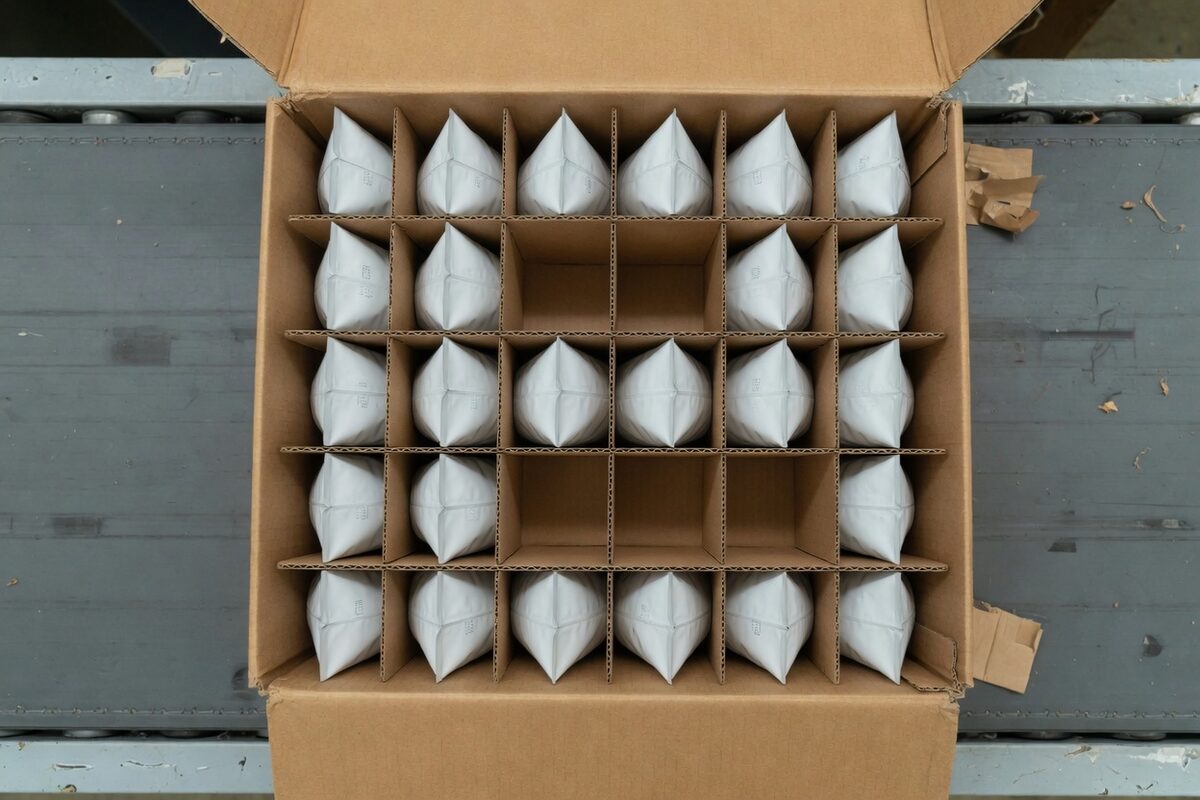
An open case of white pouches with several empty cells
The fault. Several cells are empty. The case still makes weight.
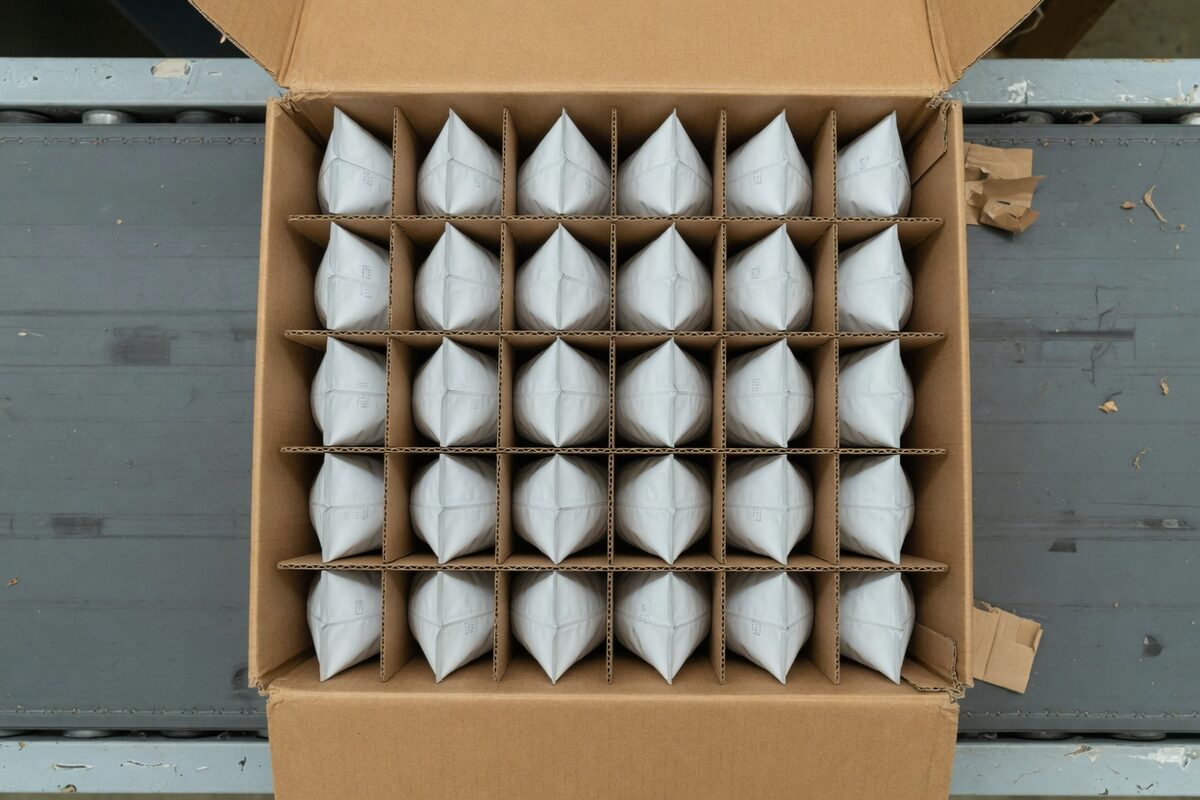
An open case with a pouch in every cell
Still good. Every cell has a pouch.

Count. One missing pouch can sit inside the weight swing of the whole case. The camera counts the cells before the flaps are glued. Weight still has a job. It does not have this one.

How we fix it. Vision counts the units before the case is closed. A short case is held or rejected before the flaps are glued, and the count is logged against the case recipe. Weight still has a job. It does not have this job.

Where this fits: Single-camera station

The station

How we stop it.

A new SKU or an idle inspection head is a typical packaging call. Changeover has to leave the last reject in the log so the next shift can see what the previous recipe was doing.

1 · See it

Grade the code, do not just read it

A reader that says pass on a code a later scanner will refuse is not a verification. Drift on the printer is an alarm, not a surprise at the dock.

2 · Reject it

Count before the case closes

The picture is taken while the case is still open. After the flaps are glued, the missing pouch is a weight problem the scale may not be able to see.

3 · Record it

Make changeover part of the recipe

The active SKU drives the code, the artwork, and the count. The line does not start the next job on the previous job's limits.

Plants moving from a 1D barcode to a 2D code are being told to prove that code on the line. Food Engineering's 11 steps are the retail side of that change. A failed read on our station is a hold, not a problem discovered in the warehouse.

How it works

How inspection works on a packaging line.

  1. Look at the code, the print, the flap, and the count. Cameras sit where the carton or case can still be fixed: after the printer, after the glue, and before the case closes.
  2. Grade, do not just read. A code that scans once on the line can still fail in a warehouse. The station scores how readable each code is.
  3. Hold the bad case. A failed carton or case is pushed off or the line holds before it reaches the pallet.
  4. Keep it through changeover. The product settings are part of the recipe, and the last reject stays in the log for the next shift.

What's included.

One team handles the job from the first sample check to a running station. We choose the camera, lens, and light for your fault, build the control panel, connect the reject to your line, and commission it with your operators.

  1. Vision assessment. A written check of your good and bad parts before any proposal. It tells you what the camera can catch.
  2. Line diagnostic. A later paid dry run of two to four weeks. The station watches real product with its outputs turned off, so nothing is rejected until it is proved.
  3. Install and commissioning. The station goes in on your line and is tested with your operators until it runs.
  4. Support. A yearly care agreement is available. See the system page.

Rules and words

Rules this line plans around.

These are planned with your quality team on the station. The station supports them. It does not replace your own compliance work.

GS1 barcodes
Retail packs carry a GTIN barcode, and shipping cases and pallets carry SSCC labels. The industry is moving to 2D codes. The barcode tool checks a GS1 check digit.
Barcode print quality (ISO/IEC 15416 and 15415)
The standards that grade a printed barcode, from A (best) to F (fail). Grading tells you a code is getting worse before it stops scanning.

Words on this page, in plain terms.

Lot code
The printed code that says which batch a product came from.
Grading
Scoring how readable a barcode is, not just whether it scanned once.
SKU
One specific product and package. Mixed SKUs means the previous product is still in the line.
Magazine
The stack of flat cartons or labels waiting to be used.
Recipe
The saved settings for one product, loaded at changeover.
Changeover
Switching the line from one product to the next.

What plants are reading

From the trade press.

Changeover, the 2D code, and the case the scale cannot police. These are the pieces we point packaging leads at.

Packaging OEM · Oct 1, 2026

Changeover is where the line has to adapt.

Packaging builders are showing machines that handle mixed packages and a faster changeover. The station on that line still has to reject the bad one and keep the record. Flexibility upstream does not grade the code or count the case.

Packaging OEM

Food Engineering · Sep 29, 2026

A 2D code has to be readable on the line.

Food Engineering's 11 steps for the move from a 1D barcode to a 2D code put the check before the case ships. Print quality, placement, and a read that fails closed are the packaging problems inside that article.

Food Engineering

Industrial Monitor Direct · Dec 19, 2025

One missing packet hides in the weight swing.

A packaging-line note on missing packets in a finished carton. The arithmetic is the whole point: if one packet weighs less than the normal variation of the full case, a checkweigher can pass a short carton. The count has to happen before the carton is glued.

Industrial Monitor Direct

Questions

Common questions.

Can you check codes from the printer we already have?

Yes, that is the usual job. The station checks the printed code and alarms when the printer starts to drift.

Our checkweigher already checks the case. Why count it?

When one missing unit weighs less than the normal swing of the case, the scale cannot tell a short case from a full one. The camera counts before the case closes.

What happens at changeover?

The new product loads its own settings, and the line does not release the new run until the new code and print are checked.

Where do we start?

Send good and bad cartons or cases for a vision assessment. You get a written answer before any proposal.

Next

Tell us about the line.

Tell us where the case is closed, what the code has to survive, and which SKUs share the line. A short count and a mixed SKU are not the same fault.

Tell us about the line Line diagnostic

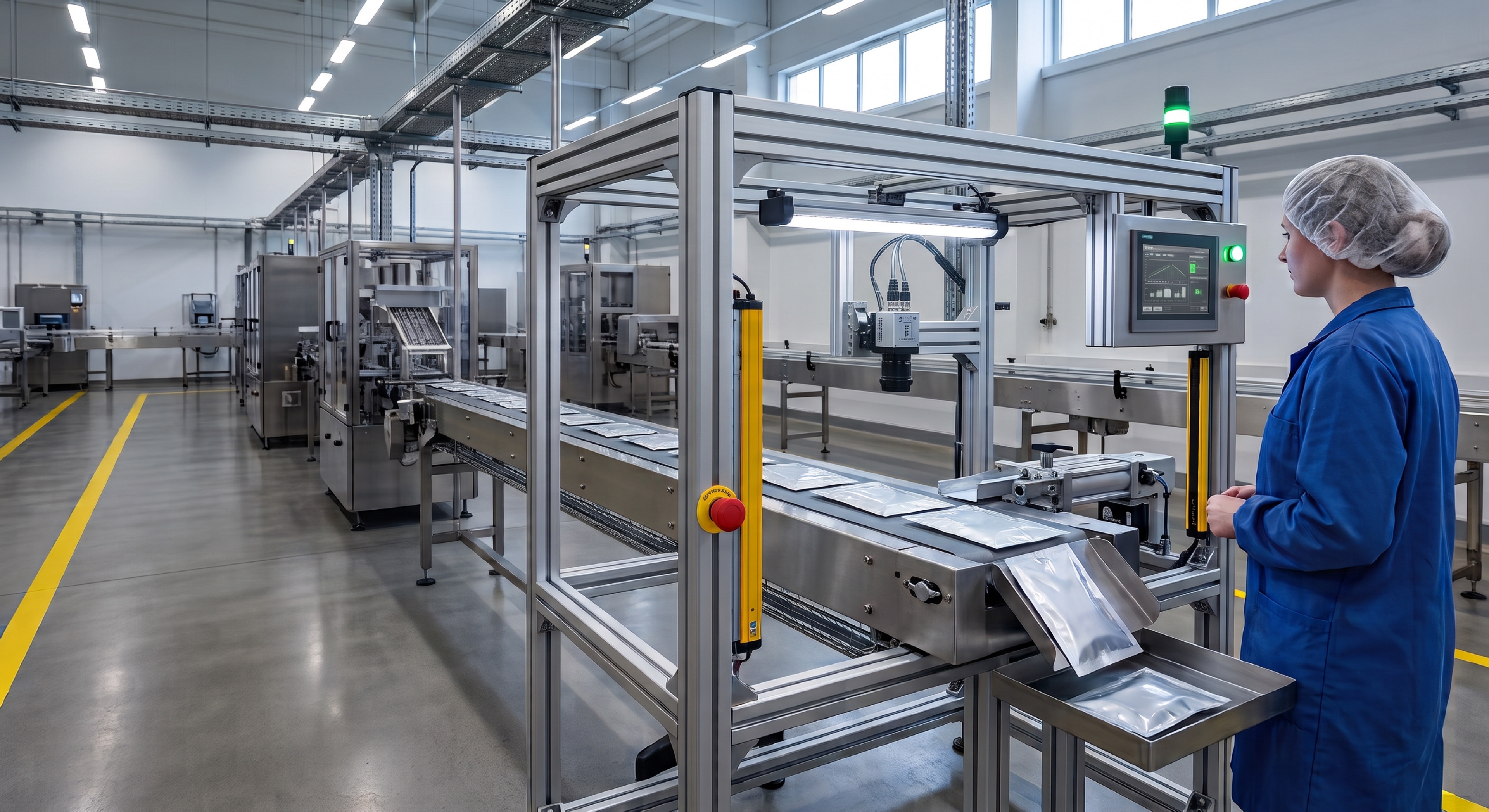
Vision inspection station over a packaging conveyor, with a camera and an operator at the screen