Medical devices

A missing part, a bad UDI, or a channel in the pouch.

Device lines have to show that every unit was built and inspected, and that the proof can be traced. A component that never landed, a scratch that one shift calls good and the next calls bad, a UDI that will not grade, or a wrinkle that opens a path through the sterile barrier. Sample checks do not see the units in between.

A channel in a pouch seal on a medical-device line is a path through the sterile barrier that can still look closed. The camera looks for that channel, a wrinkle, and a seal that did not finish, on every pouch, and rejects the pouch before it is cartoned. The image stays with the lot. Dye testing, burst testing, aging, and the package validation stay with quality. The station does not replace that validation.

On the line

What goes wrong.

Assembly, cosmetic and dimensional checks, the UDI, the device history record, and the pouch seal fail in different places. A missing part is presence. A scratch is a judgment quality has already limited. The UDI is graded. The device history has to receive the result. A channel in the pouch is inspected on the line, and it does not replace package validation.

Select a fault. The pictures show what we reject, and what still ships.

Components are missing from assemblies
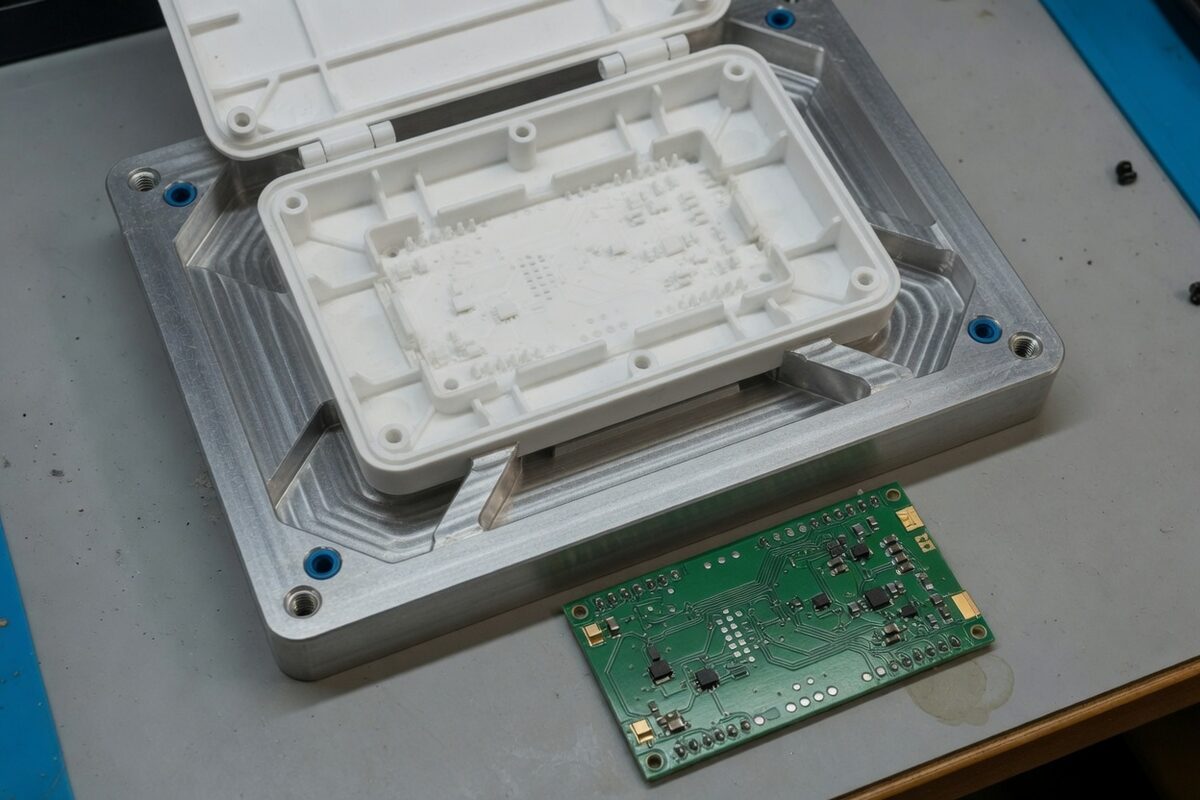
A device housing with an empty socket and the circuit board beside it
The fault. The socket is empty. The part that belongs in it is sitting beside it.
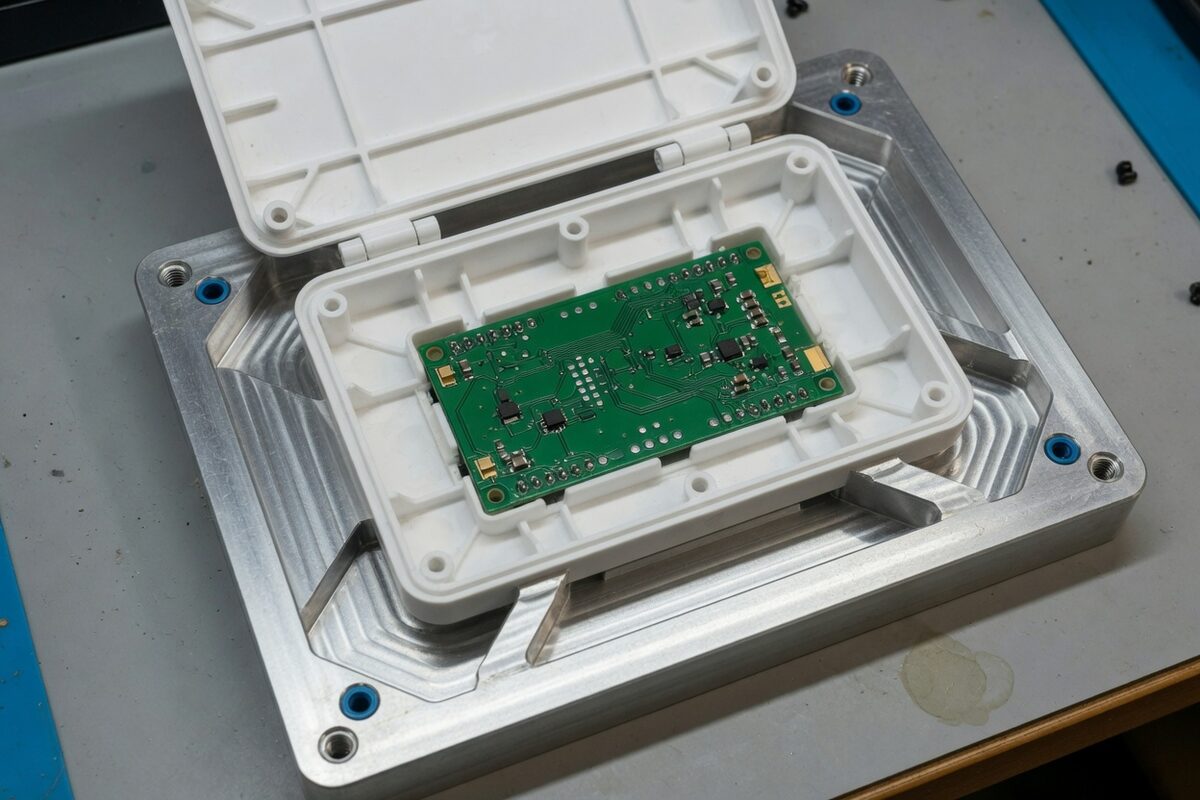
A circuit board seated in its socket
Still good. The part is seated in the socket.

Presence. The part is in the socket, and it is the right way around, at the step where it is added.

How we fix it. Vision checks presence and orientation at the step where the component is added. The next step is interlocked if that component is missing. The result is stored against the serial or the lot, so the device history shows the miss where it happened.

Where this fits: Single-camera station
Dimensional and cosmetic defects

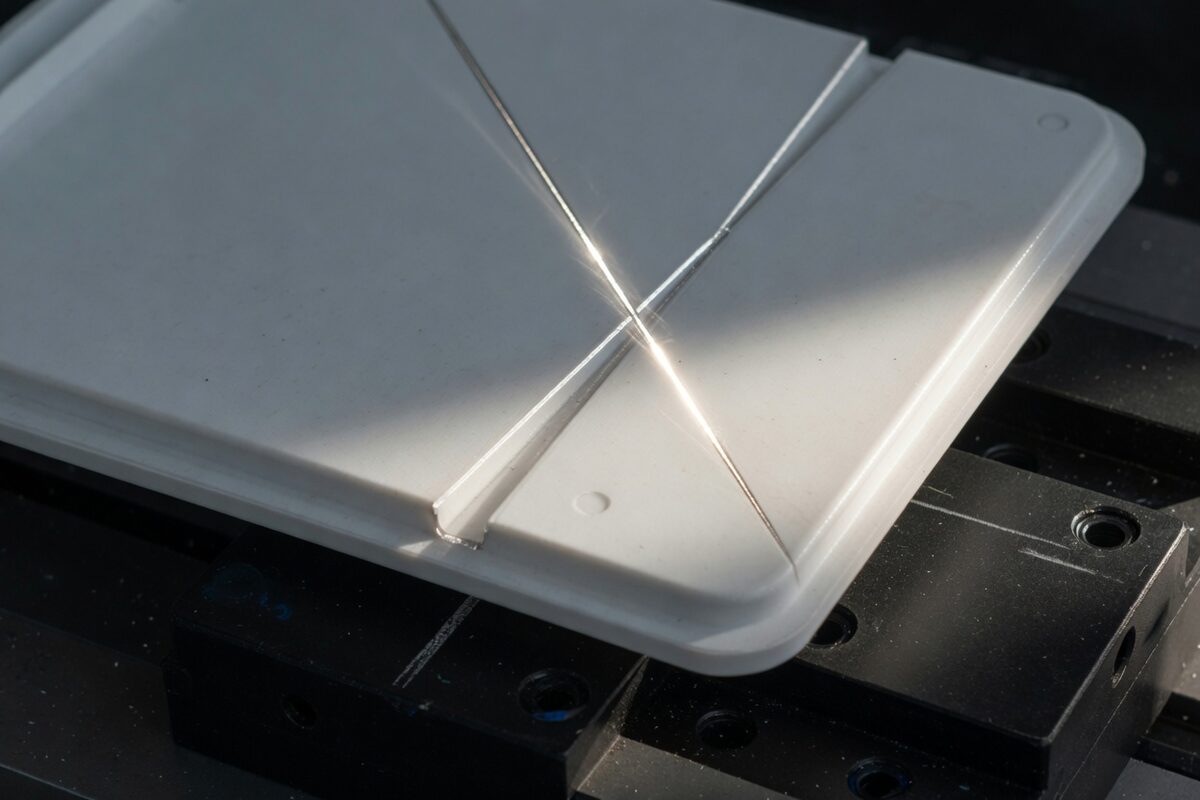
A molded housing with flash along the edge and a scratch across the face
The fault. Flash is still hanging on the edge, and a scratch runs across the face.
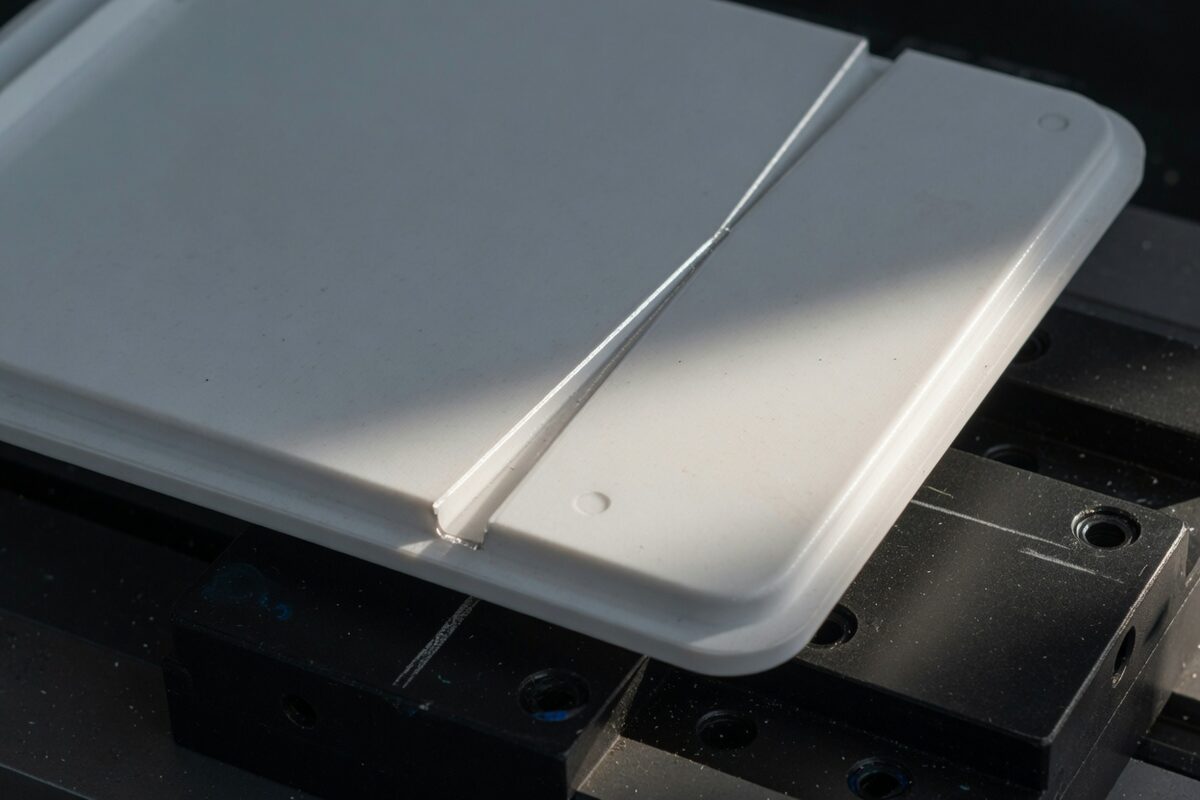
A molded housing with a clean edge and no scratch
Still good. The edge is clean and the face has no scratch.

Judgment. A scratch can be cosmetic or it can be a reject. Quality sets that limit, and the station holds it on every shift.

How we fix it. Gauging and cosmetic inspection use calibrated optics. The limits are agreed with quality and then held. Every reject keeps the image, so the argument is about the part, not about who was on the line.

Where this fits: 3-camera station · Single-camera station

UDI label verification

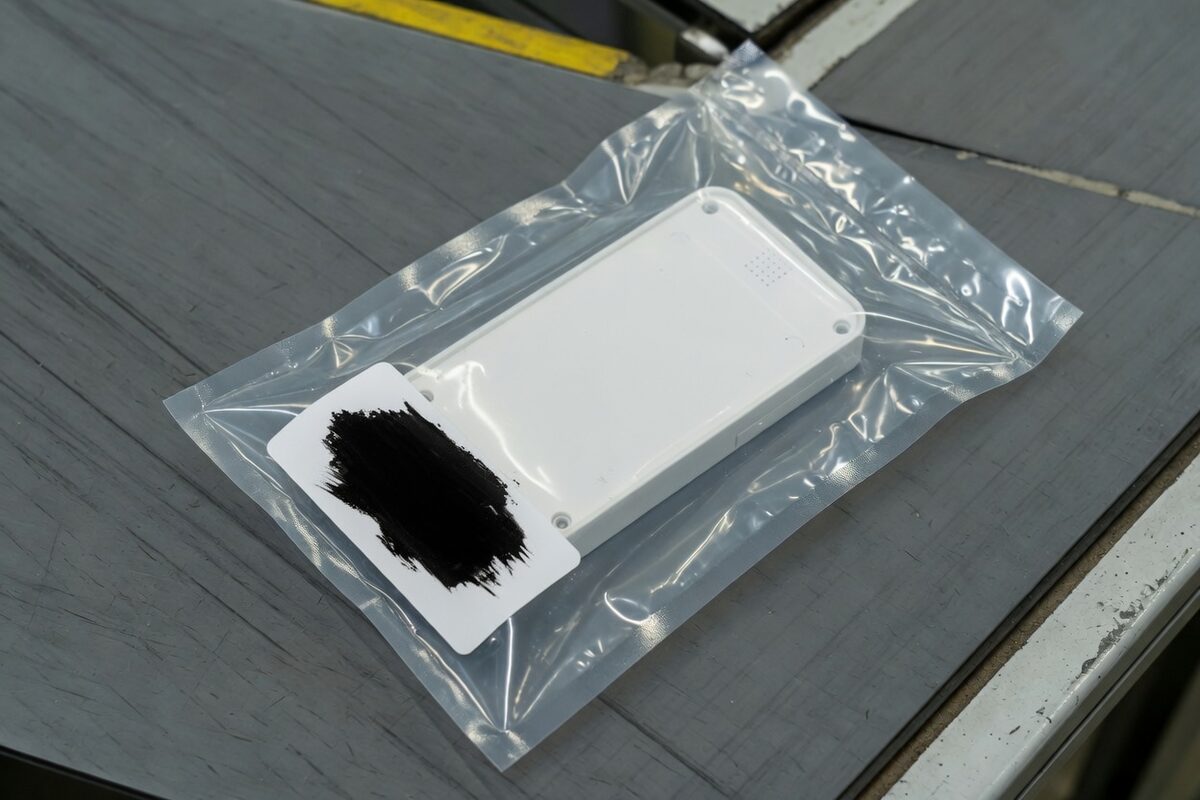
A white device in a clear pouch whose label is covered by a black ink smear
The fault. The label is a smear. There is no code left to grade.
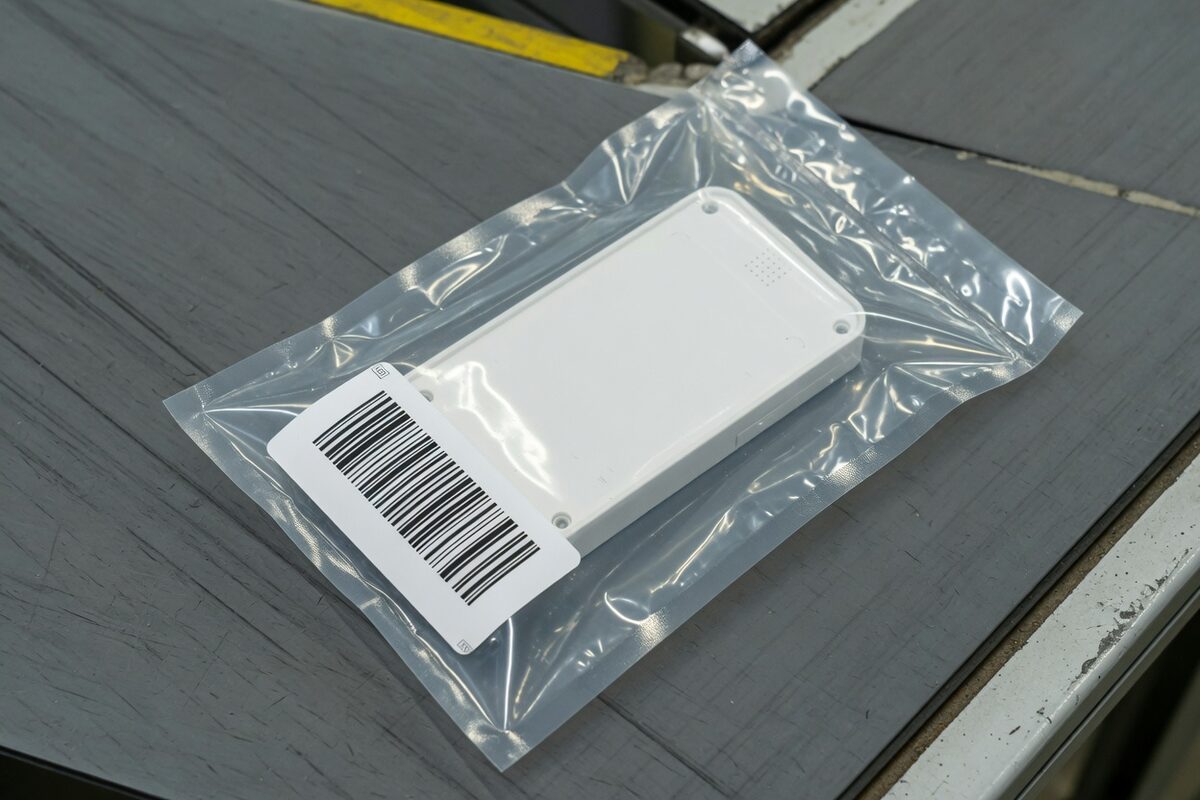
A device in a clear pouch with a barcode of separate bars beside it
Still good. The bars are separate. The device is still visible.

Grade. A glance is not a grade. The code is scored, then checked against the unit. A smear has no bars left to score.

How we fix it. The barcode is graded and the data is checked against the unit and the lot in the pack. The same grade applies to a printed label and to a code marked on the device. FDA's device-identifier rule is 21 CFR Part 830, and the mark is graded on the material the line actually runs. A mismatch is a reject and a hold. Grading is the evidence. A person saying the code looks fine is not.

Where this fits: Barcode station · Barcode tunnel

Traceability gaps in the device history record

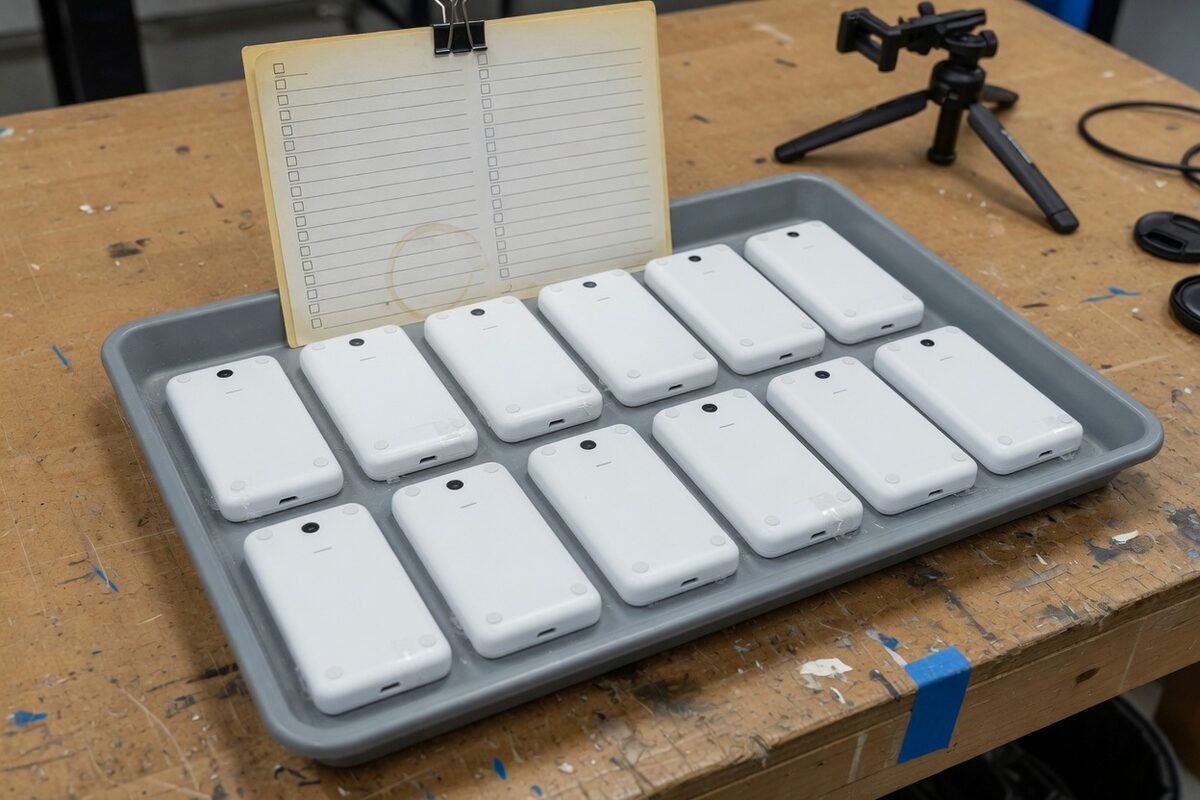
A blank traveler sheet
The fault. The traveler sheet is blank.
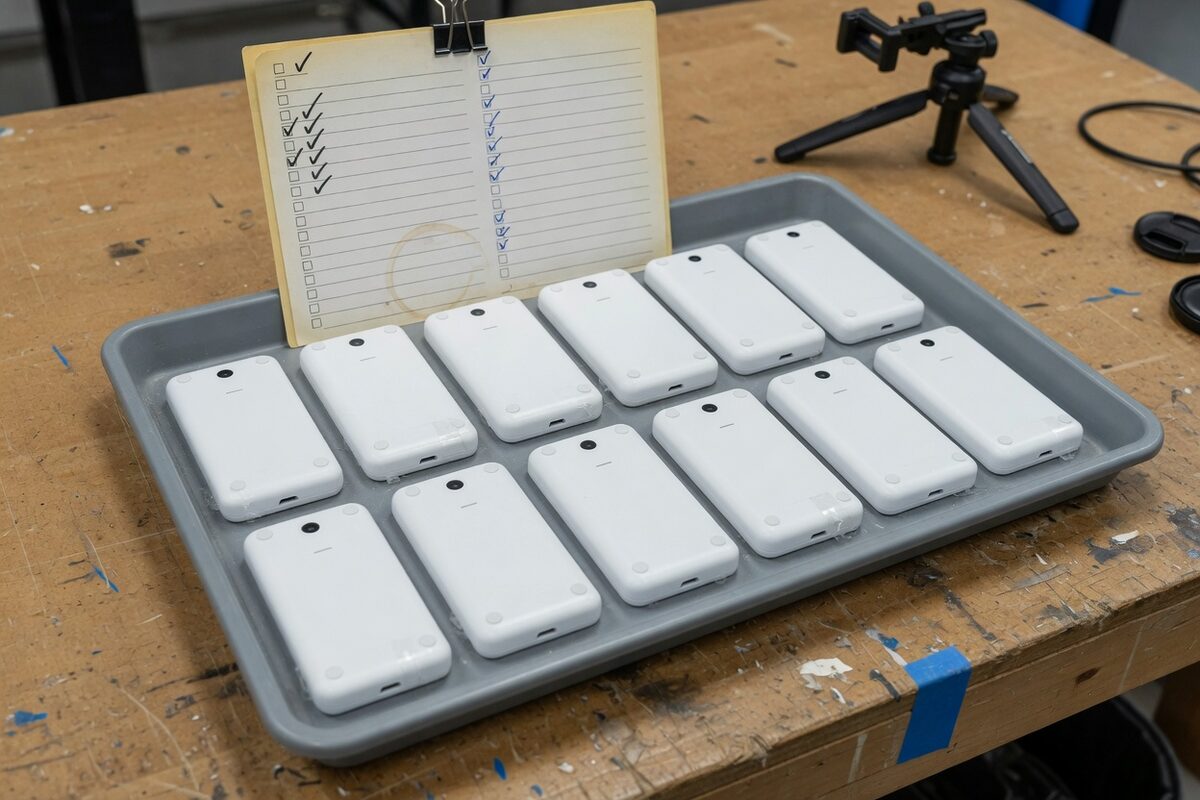
A traveler sheet with check marks and no words
Still good. The traveler sheet has check marks. It is not a blank card.

Record. The device can be finished and the traveler can still be blank. The result is written to the device history you already use, for that unit, before the device moves on.

How we fix it. Results are logged per unit before the reject fires, and they are handed to the MES or the quality system you already use. Access to inspection settings and recipes is controlled.

Where this fits: Barcode station · How we inspect

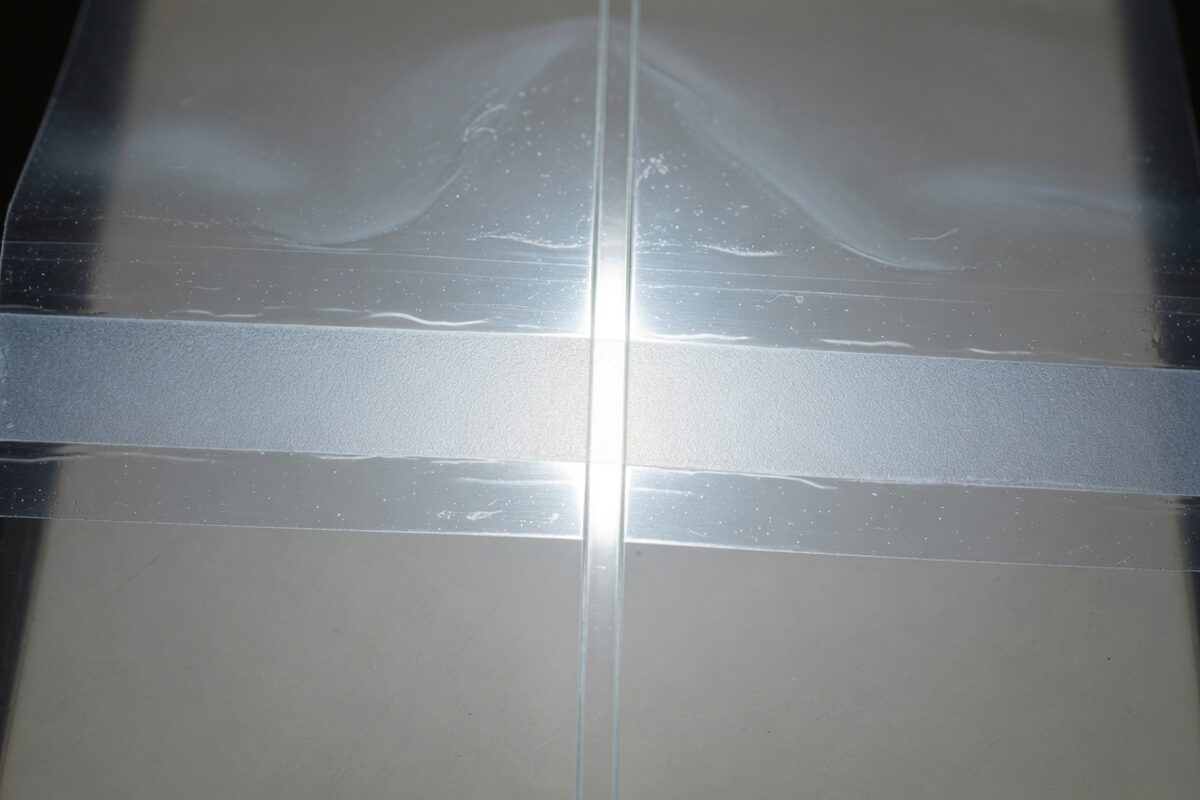
The pouch seal has a channel

A clear medical pouch with a fold crossing the seal and leaving an open path through it
The fault. A fold crosses the seal and leaves an open path. The rest of the pouch looks closed.
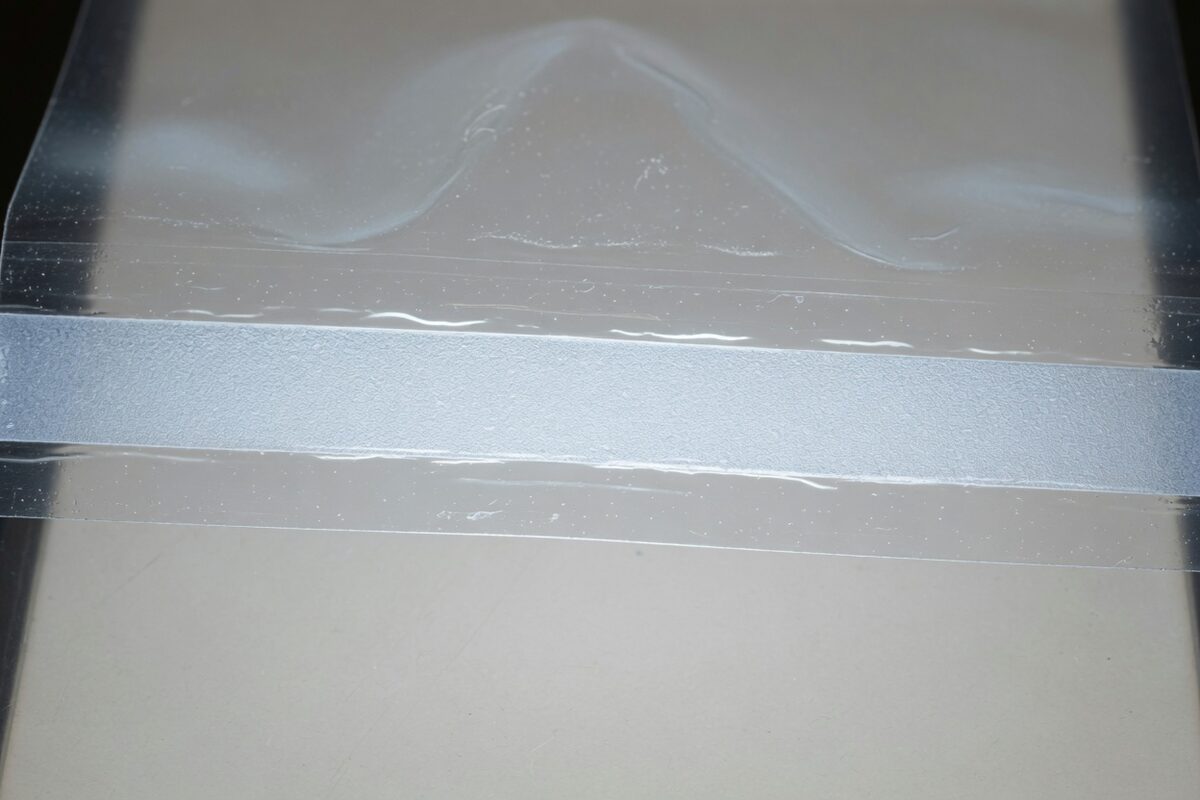
A clear medical pouch with one continuous closed seal and no channel
Still good. The seal is one continuous band. No path runs through it.

Judgment. A seal can look closed and still have a path through it. The camera looks for that path on every pouch. Dye, burst, aging, and the package validation stay with quality.

How we fix it. The full seal is inspected for channels, wrinkles, and a path that does not close. The pouch is rejected before it is cartoned. The image stays with the lot so a drifting sealer shows up on the line. This does not replace the package validation. Dye, burst, aging, and the process validation still belong to quality.

Where this fits: Single-camera station
The station

How we stop it.

An inspect-and-reject path you can validate with us under FDA QMSR: the panel, the camera, the HMI, and site acceptance on your floor. We build the station.

1 · See it

Inspect at the step that can still fail

A missing component is caught where it is added. The seal is caught before the carton. The UDI is graded where it is applied, not in receiving at the hospital.

2 · Reject it

Hold the limits still

Cosmetic and dimensional calls use the limits quality agreed. The image is what the next shift argues from.

3 · Record it

Put the result in the device history

If the inspection is not in the DHR, it did not happen as far as the record is concerned. The station writes the result before it rejects.

FDA QMSR is the quality system the device record has to live in. ISO 11607 is the packaging standard, and a camera on every pouch is not a substitute for it. Visual inspection, including ASTM F1886, finds channels and wrinkles. It does not close the validation.

How it works

How inspection works on a medical device line.

  1. Inspect at the step that can still fail. The camera checks the assembly right after the part goes in, and the pouch right after it is sealed.
  2. Hold the limits still. The pass/fail limits quality has approved are fixed in the station, so a scratch is judged the same way on every shift.
  3. Reject before it is cartoned. A failed unit or pouch is taken off the line before it is packed.
  4. Put the result in the device history. The picture, the result, and the time are saved with the unit or lot record.

What's included.

One team handles the job from the first sample check to a running station. We choose the camera, lens, and light for your fault, build the control panel, connect the reject to your line, and commission it with your operators.

  1. Vision assessment. A written check of your good and bad parts before any proposal. It tells you what the camera can catch.
  2. Line diagnostic. A later paid dry run of two to four weeks. The station watches real product with its outputs turned off, so nothing is rejected until it is proved.
  3. Install and commissioning. The station goes in on your line and is tested with your operators until it runs.
  4. Validation support. We support IQ/OQ/PQ (installation, operational, and performance qualification) with your validation team.
  5. Cleanroom work. We have installed and worked in cleanroom production areas, and plan the build around your room.
  6. Support. A yearly care agreement is available. See the system page.

Rules and words

Rules this line plans around.

These are planned with your quality team on the station. The station supports them. It does not replace your own compliance work.

FDA QMSR (21 CFR 820)
The FDA quality system rule for device makers, aligned with ISO 13485 and in effect since February 2, 2026. It covers how you control, inspect, and record production.
UDI (21 CFR 801, Subpart B)
The Unique Device Identifier: the code on the label that identifies the device and its lot. It has to be readable, so the station grades the print, not just reads it.
ISO 11607
The standard for sterile barrier packaging, such as pouches. The camera inspects the seal on the line. The station does not replace package validation.
21 CFR Part 11
The FDA rule for electronic records and signatures, planned with your quality team when records are kept electronically.

Words on this page, in plain terms.

UDI
The device's unique code on the label, usually a 2D barcode plus readable text.
Device history record (DHR)
The file that proves how each unit or lot was built and checked.
Channel
A narrow gap through a pouch seal that can let germs in while the seal still looks closed.
Sterile barrier
The pouch or package that keeps the device sterile until it is opened.
Cosmetic defect
A scratch, flash, or mark on the surface that quality has set a limit for.
Site acceptance
The test on your floor that shows the station works before it is handed over.

What plants are reading

From the trade press.

The seal standard, the limit of a visual check, and what a real UDI grade is. We use these when a device plant asks the camera to stand in for the validation.

Measurlabs · Feb 21, 2025

ISO 11607 is the packaging standard.

Measurlabs lays out the two halves: materials and the sterile barrier in 11607-1, and the forming, sealing, and assembly process in 11607-2. Both are FDA-recognized. A pouch with a channel is a sterile-barrier failure. Finding it on the line is not the same document as the validation of the sealer.

Measurlabs

Patient Guard · Feb 3, 2025

Looking at the seal is not the whole test.

Patient Guard lists what a visual seal inspection can see: channels, wrinkles, an incomplete seal, contamination in the seal, burns, and tears. ASTM F1886 is the visual method they name. They also say a visual check should not be treated as enough, by itself, to prove the sterile barrier. Burst, dye, and the process validation stay in the quality system.

Patient Guard

Sabreen · UDI marking

A UDI has to be graded, not glanced at.

Sabreen's UDI note is blunt about the evidence. Grade the symbol to ISO/IEC 15415, with the aperture, the light, and the minimum grade written down. A visual pass will not satisfy an auditor, and a mark that graded in the lab can fail under the line reader's light. The station has to grade the code the line actually prints, on the material the line actually runs.

Sabreen

Questions

Common questions.

Does the seal check replace package validation?

No. Dye testing, burst testing, aging, and package validation stay with quality. The station does not replace package validation.

Can a camera judge a cosmetic defect the same way every shift?

That is the point. The limits quality approves are set in the station, and examples of good and bad parts are used to set them.

Do you check the UDI?

Yes. The station reads and grades the printed code and checks it matches the lot.

Do you support validation and cleanroom installs?

Yes. We support IQ/OQ/PQ with your validation team, and we have cleanroom experience. The station still does not replace package validation.

Where do we start?

Send good and bad units or pouches for a vision assessment. You get a written answer before any proposal. The diagnostic, a paid dry run with outputs turned off, comes later.

Next

Tell us about the line.

Tell us the device, the step that is escaping, and where the device history record is supposed to receive the result. If the pouch is the problem, say whether quality already has a seal validation. The station does not replace that study.

Tell us about the line Line diagnostic

A circuit board seated in its socket