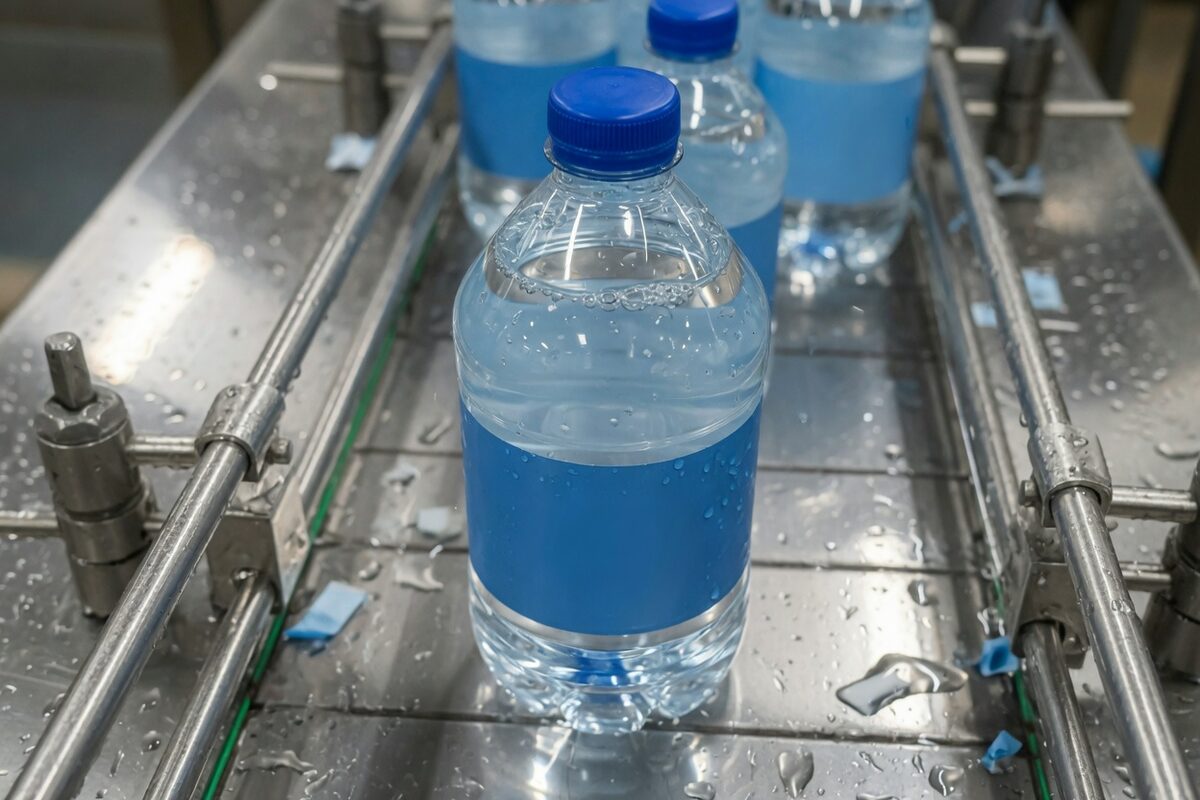
Beverage

A bad container, a drifting fill, or a cocked cap.

Beverage lines run fast enough that a small inspection gap is thousands of units before anyone walks over. The filler never sees the empty container. The capper does not tell you the tamper band is missing. A camera that was tightened after one escape then throws good bottles in the reject bin for the rest of the week.

A cocked cap on a beverage line is a cap that did not seat, a tamper band that tore, or a closure the customer can spin off. The line is too fast to watch the capper by eye. A camera set up on a stopped bottle misses the band once the bottles are moving. The station checks cap height and the band at line speed and gets that bottle off the conveyor before it is cased.

On the line

What goes wrong.

Caps, fill, labels, false rejects, and the empty container are different stations on the line. Finish, cap, and fill are measurements. A label has to sit right and match the SKU. False rejects are what happens when the limit gets tighter than the bottles you still sell.

Select a fault. The pictures show what we reject, and what still ships.

Empty containers are cracked or dirty
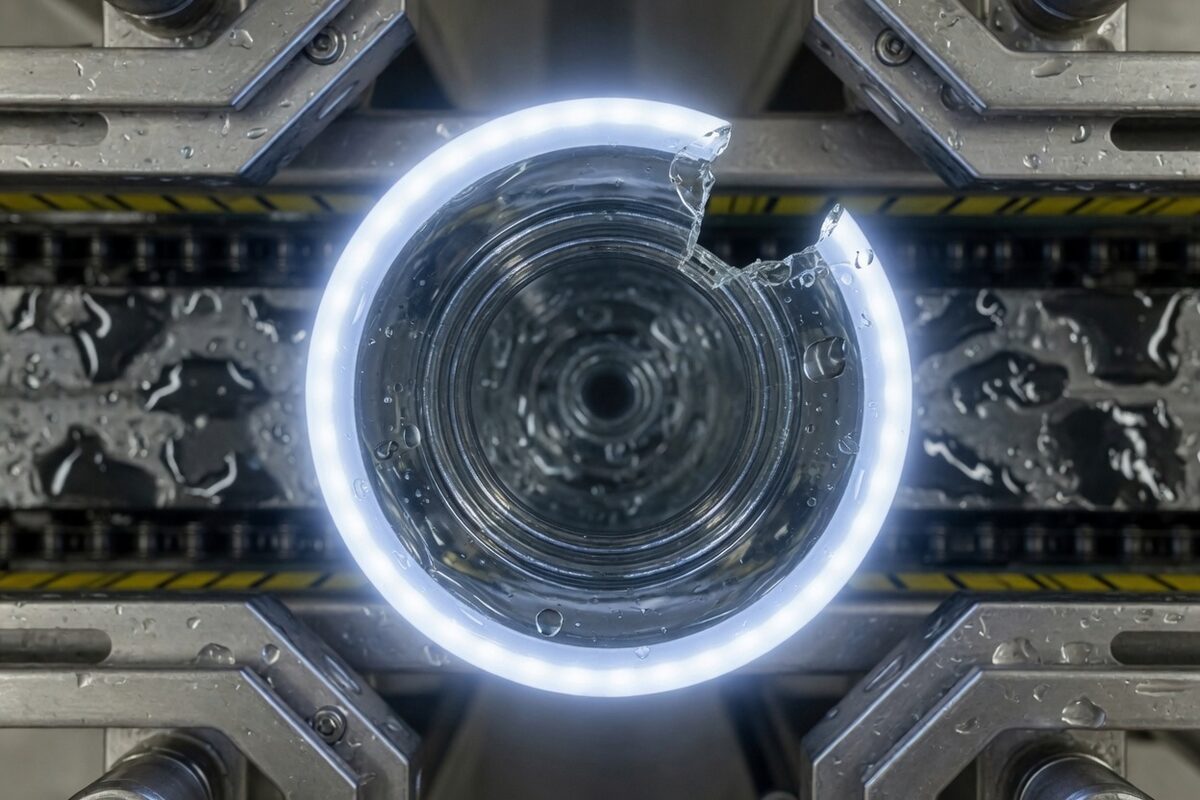
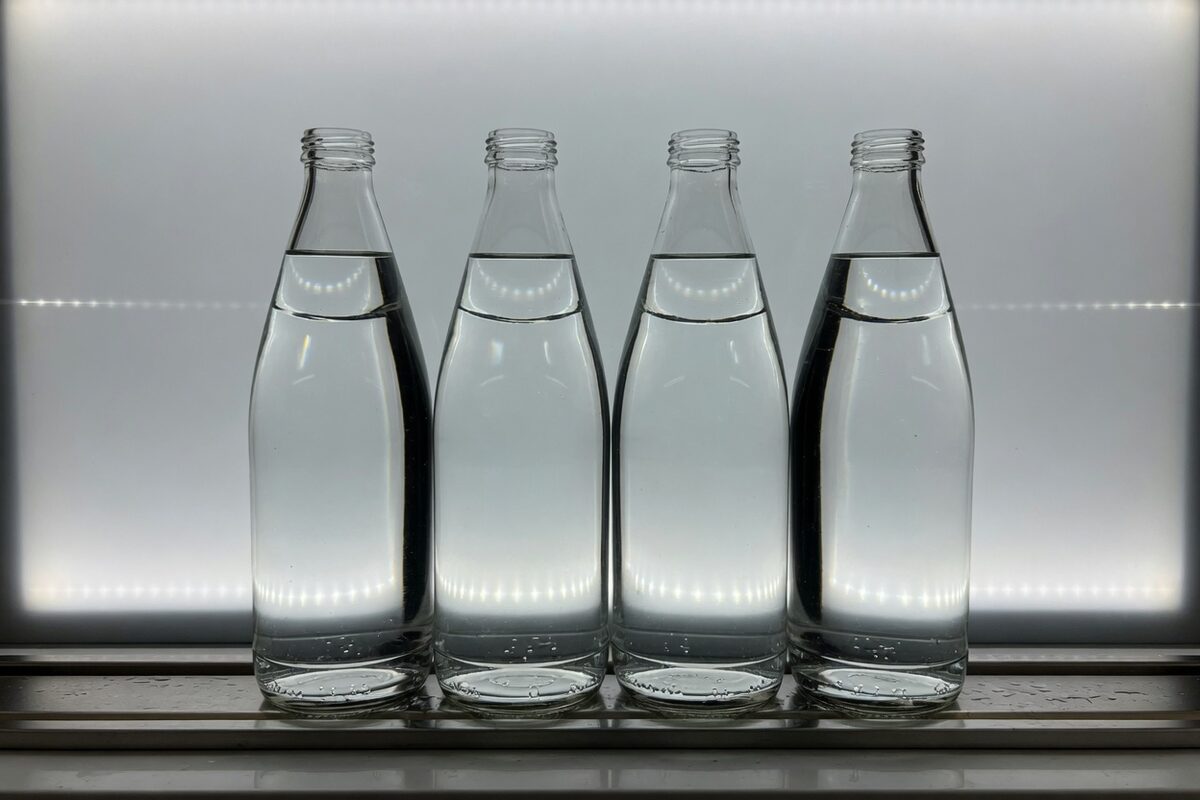
Looking down at a glass bottle finish with a piece broken out of the lip
The fault. A piece of the finish is broken out. This bottle should never have reached the filler.
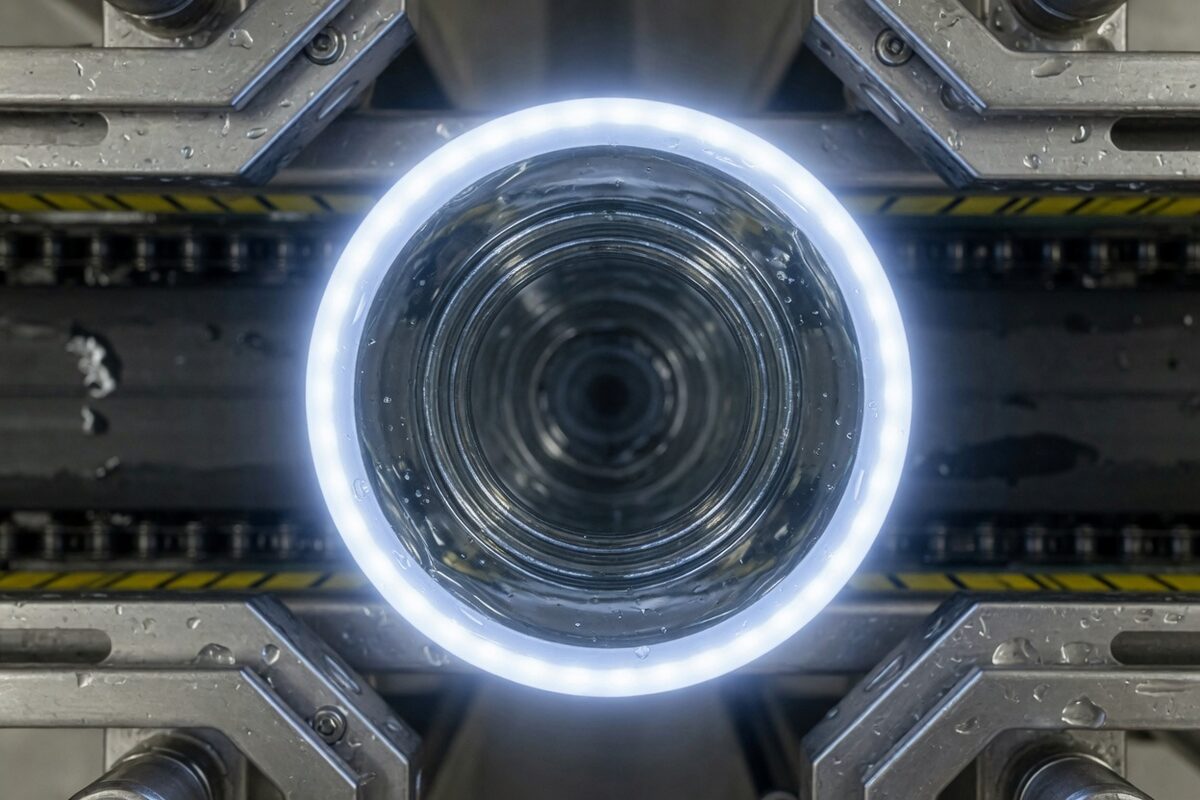
Looking down at a glass bottle finish with the lip complete
Still good. The finish is whole. This bottle can go to the filler.

Measurement. The finish is checked on the empty container, before the filler. A mouth that is gone does not get filled.

How we fix it. Inspect the empty container for the finish, the sidewall, and residue before the filler. Reject it so it is never filled, and tie that reject to the container lot. This is the empty container, not the cap check that happens after the closer.

Where this fits: Single-camera station
Cap and closure defects

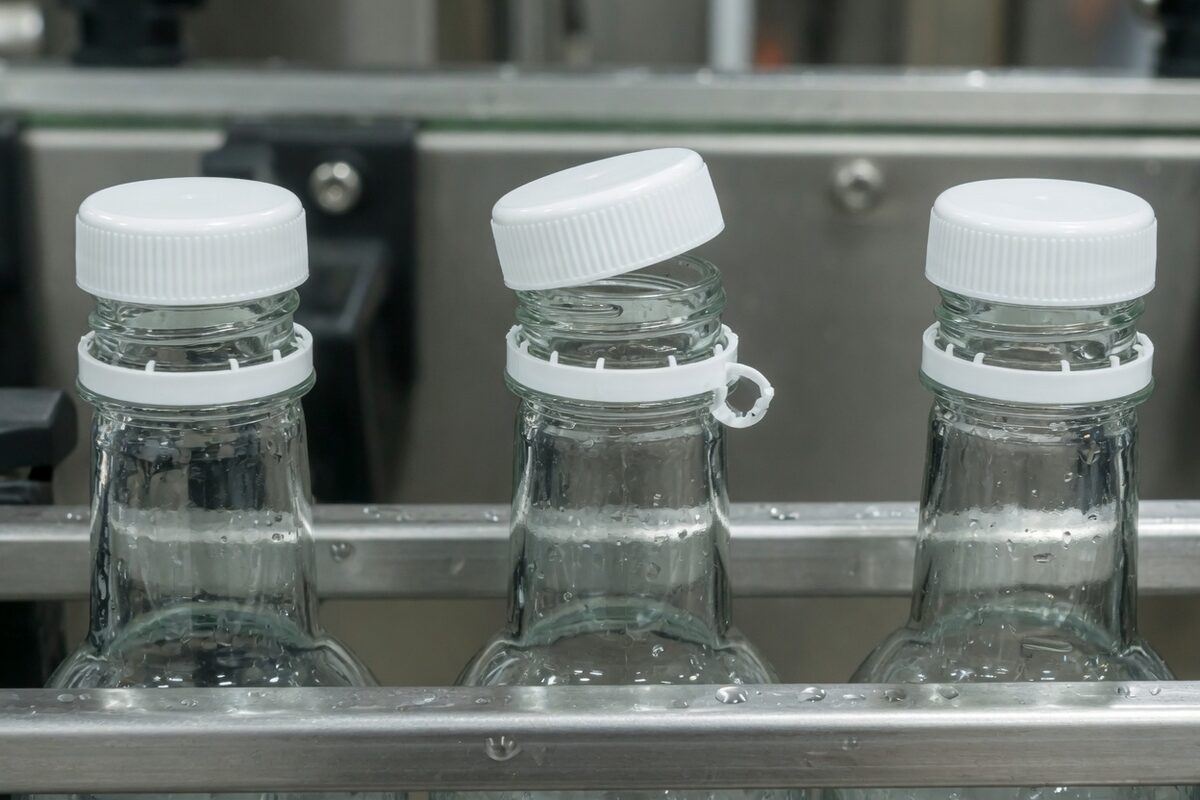
A bottle neck with the cap cocked off the threads and the tamper band torn
The fault. The tamper band is torn, and the cap did not stay seated.
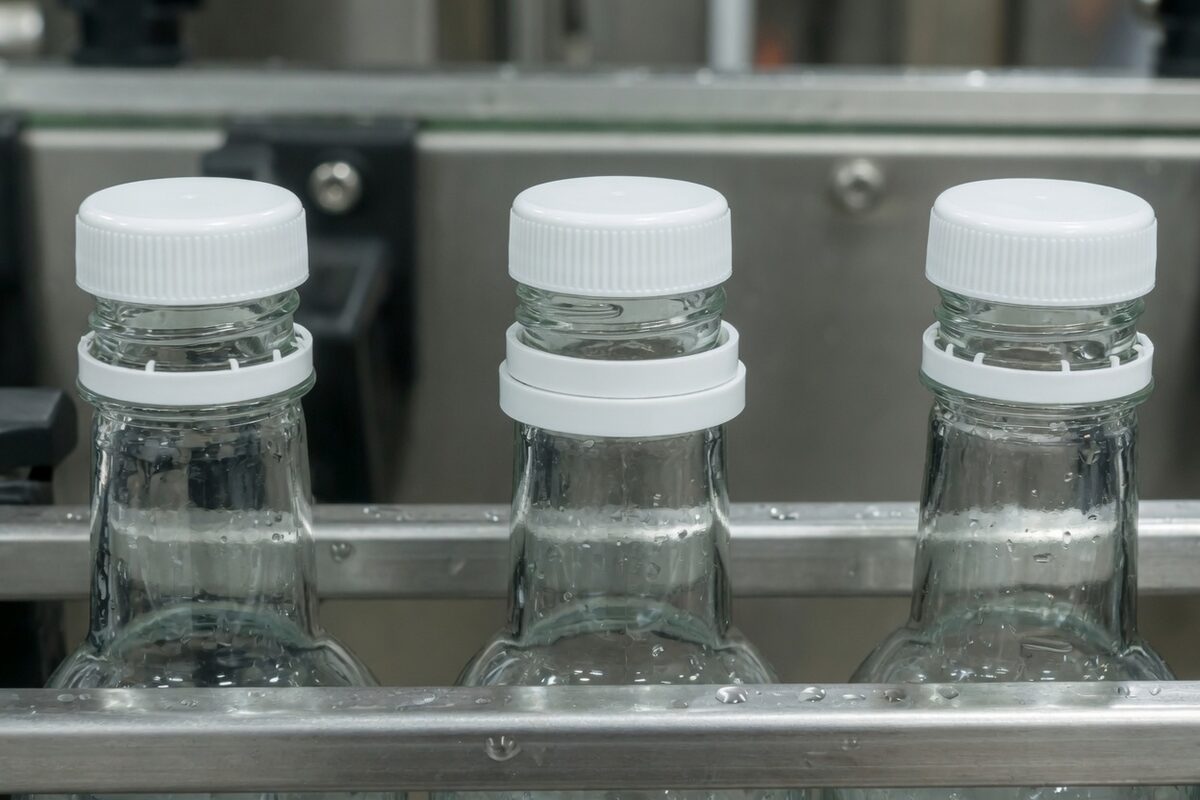
A bottle with the cap seated and the tamper band in one piece
Still good. The cap is seated and the band is in one piece.

Measurement. Cap height and a whole tamper band are checked at line speed. A setup done on a stopped bottle misses the band once the line is moving.

How we fix it. Triggering and lighting are built for the closure, not borrowed from the label camera. More than one angle covers the tamper band and the cap height. Reject timing is checked at full line speed, so a defect is off the line without slowing the filler.

Where this fits: Single-camera station · 3-camera station
Fill level is inconsistent

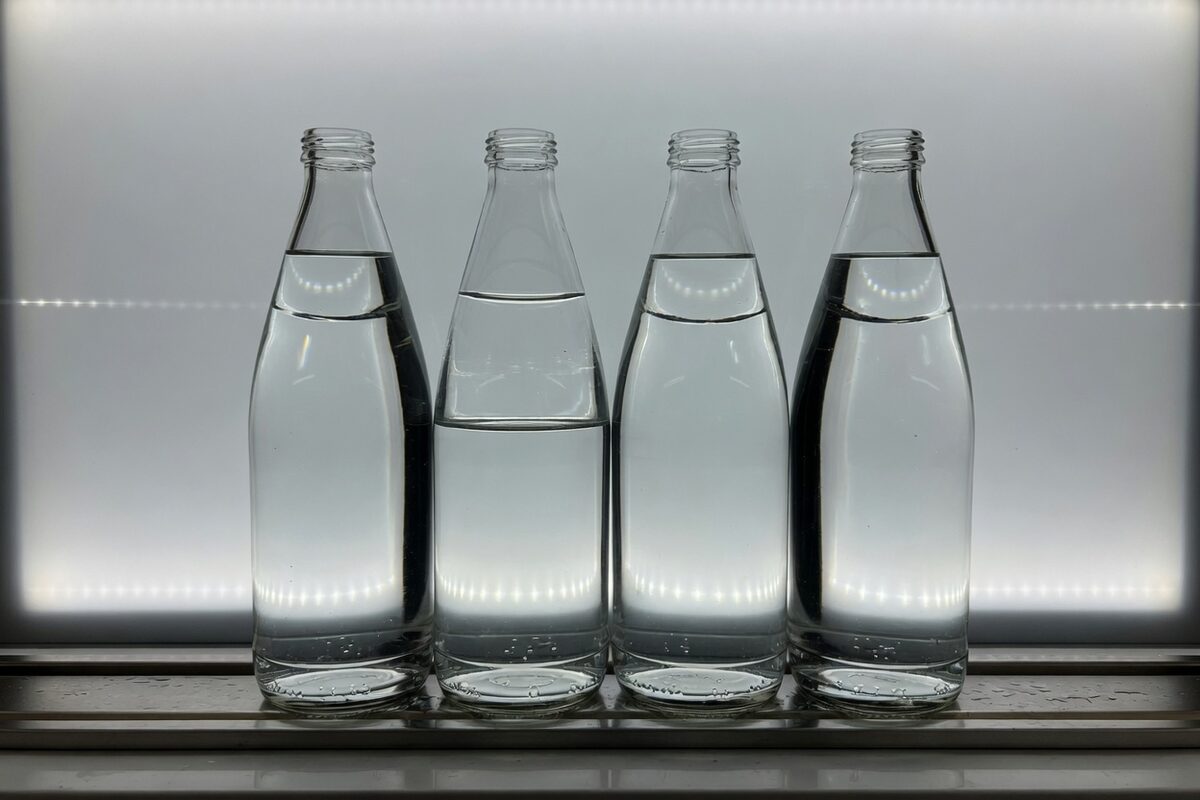
One bottle neck against a gray backlight with the water line below the shoulder
The fault. The water line is below the shoulder.
One bottle neck against a gray backlight, filled to a single line
Still good. The fill stops at one line.

Measurement. Fill is a level on the container, kept per valve. The bottle in the fault frame left the filler short. The bottle that still ships holds one level.

How we fix it. Fill-level inspection is matched to the container and the liquid. Results are tracked per valve, so the drift points at the head that caused it. Divert and alarm limits live in the PLC.

Where this fits: Single-camera station
Wrong or misapplied labels

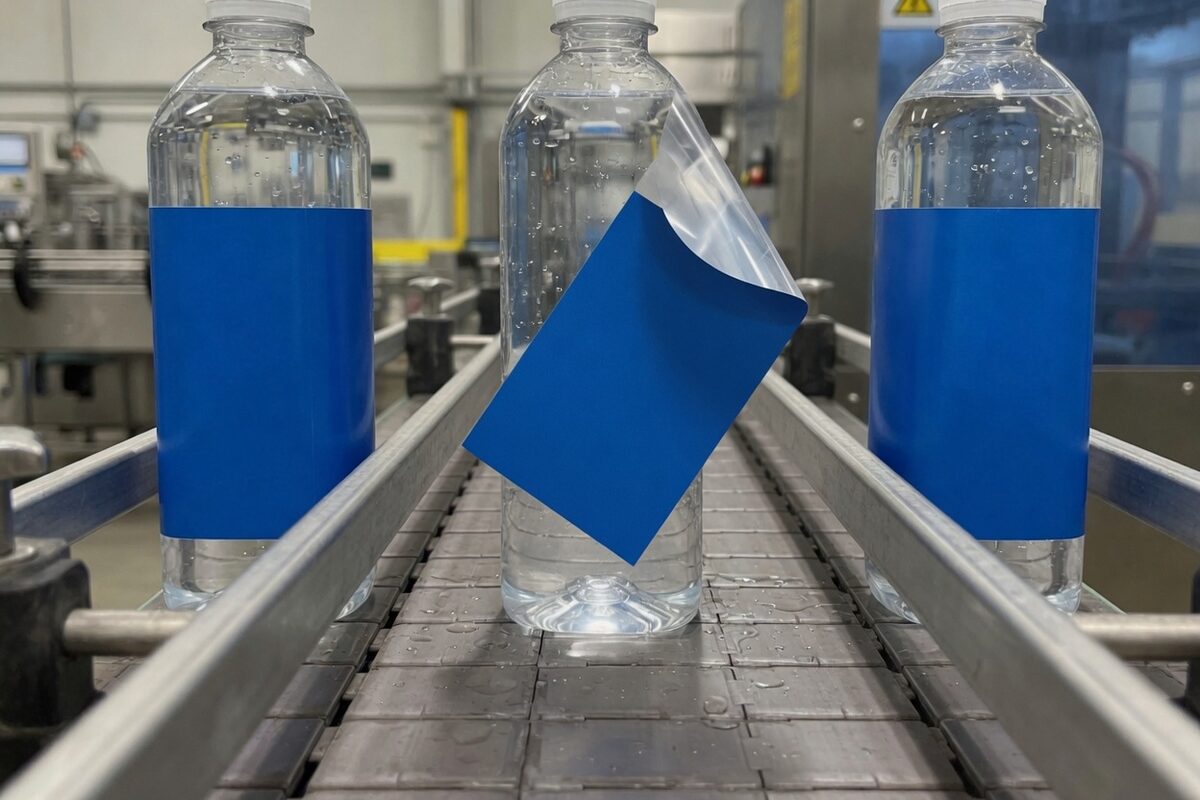
An upright clear bottle with a solid blue label and one corner peeled up
The fault. A corner of the label has let go.
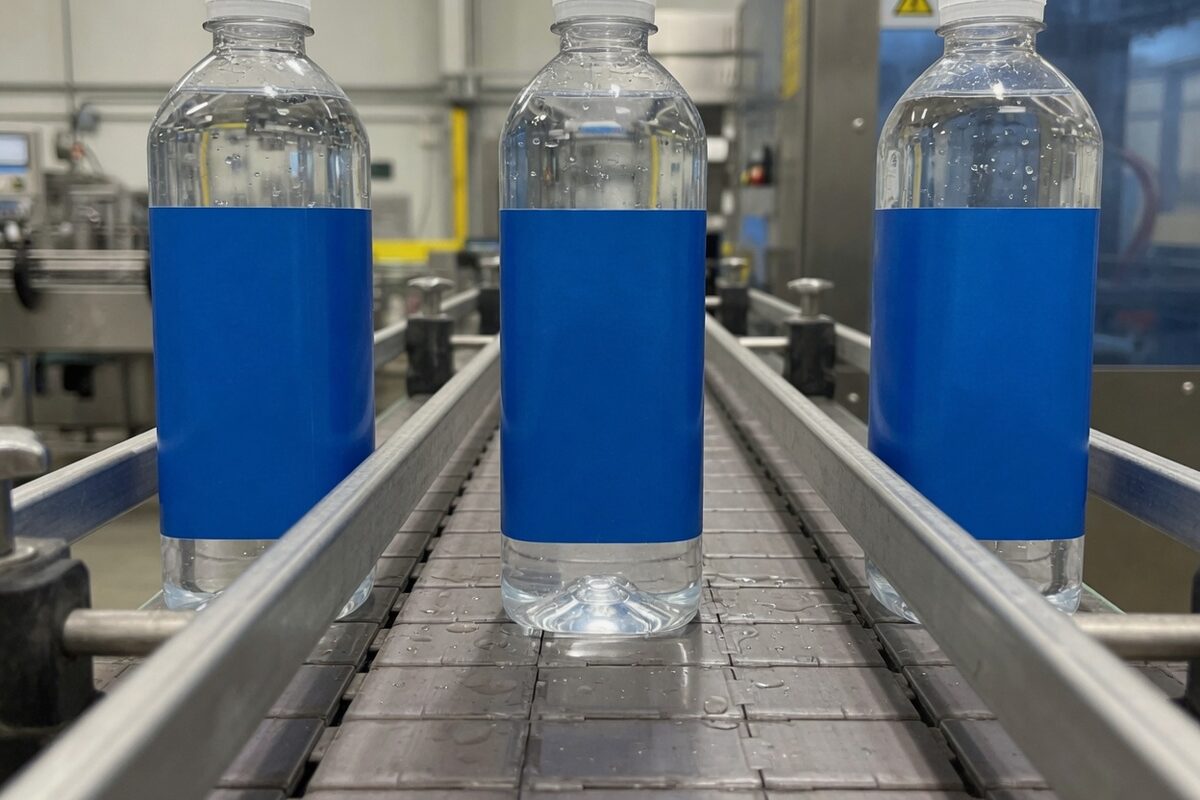
A clear bottle with a solid blue label sitting flat and square
Still good. The label sits square and the corner stays down.

Measurement and a match. The label has to sit straight, and it has to be the label for this SKU. A crooked label can still be the right brand.

How we fix it. Label verification follows the active SKU: presence, position, and print in one station. The run is not released until changeover has been checked.

Where this fits: 3-camera station · Barcode station

False rejects are killing throughput

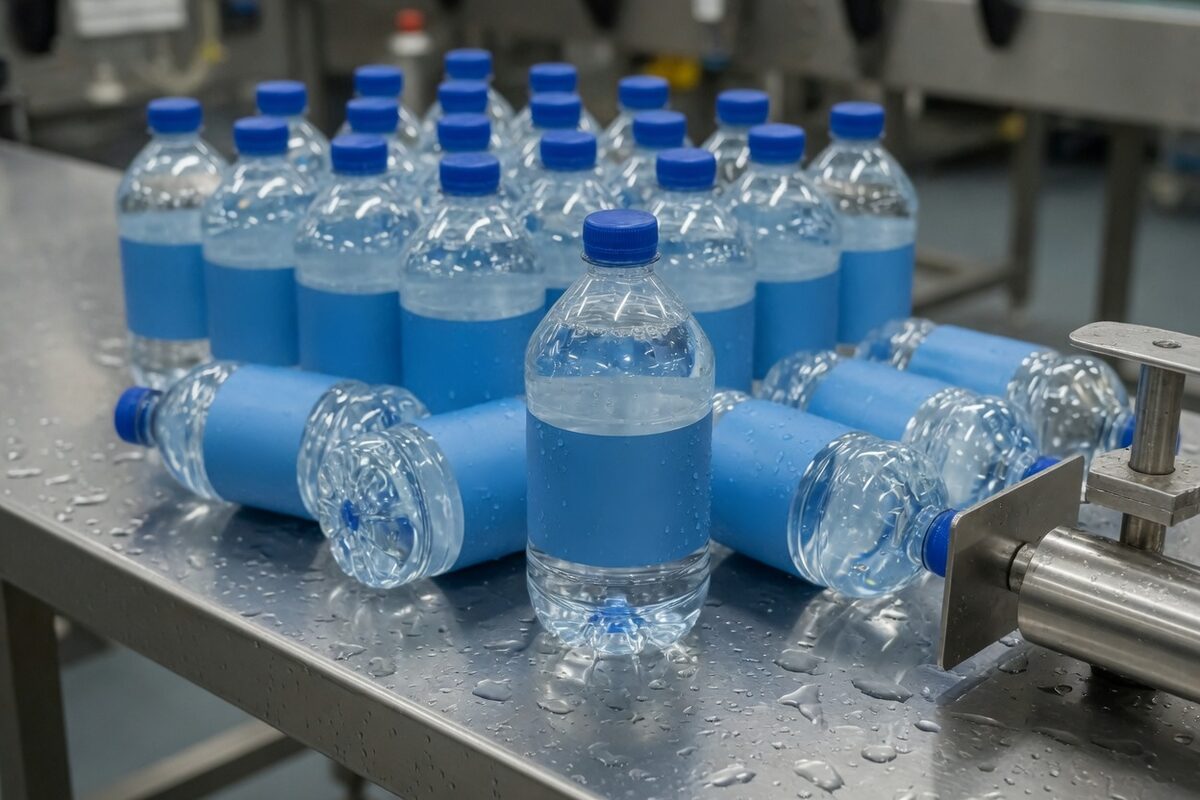
Saleable capped bottles crowded on the reject table
The fault. These bottles look saleable. They are on the reject table.
One capped bottle on the main conveyor
Still good. The same kind of bottle, on the main conveyor, not on the reject belt.

Normal variation. After an escape, a tighter limit turns bottles the plant would still sell into rejects. The camera has to be shown those bottles, or the bin stays full.

How we fix it. We read the reject images and separate real defects from nuisance rejects, then re-tune the light, the thresholds, and the tools on the real product. The new settings are checked against a known-good set and a known-bad set before they stay.

Where this fits: Line diagnostic

The station

How we stop it.

On a beverage line the station has to keep up. A reject that only works when the line is slowed down is not a reject. The log still has to say why the bottle left the line.

1 · See it

Inspect before the filler, and again after the closer

The empty container is one station. Cap, fill, and label are later stations. They do not stand in for each other.

2 · Reject it

Prove the reject at line speed

Timing is validated with the line running, not with a bottle held by hand under the camera.

3 · Record it

Stop paying for nuisance rejects

False rejects get a review of the images, then a retune. Tightening the limits forever is how good product ends up in the bin.

FDA and FSMA rooms are planned with your quality team on that station, the same way they are on a food line. The mechanical fact does not change with the rule: a cracked finish has to be rejected before it is filled.

How it works

How inspection works on a beverage line.

  1. Look before the filler and after the capper. One check catches a chipped or dirty empty before it is filled. Another checks the fill, the cap, and the label after the bottle is closed.
  2. Decide pass or fail at line speed. Every bottle is checked while it moves, not on a stopped sample.
  3. Push the bad bottle off. A rejecter takes the failed bottle off the conveyor before it reaches the case packer.
  4. Keep the record. Each reject keeps its picture and reason at the operator screen, so you can see which filler valve or capper head is drifting.

What's included.

One team handles the job from the first sample check to a running station. We choose the camera, lens, and light for your fault, build the control panel, connect the reject to your line, and commission it with your operators.

  1. Vision assessment. A written check of your good and bad parts before any proposal. It tells you what the camera can catch.
  2. Line diagnostic. A later paid dry run of two to four weeks. The station watches real product with its outputs turned off, so nothing is rejected until it is proved.
  3. Install and commissioning. The station goes in on your line and is tested with your operators until it runs.
  4. Washdown-rated build. The camera, light, and enclosure are built to be washed down with the rest of the line.
  5. Support. A yearly care agreement is available. See the system page.

Rules and words

Rules this line plans around.

These are planned with your quality team on the station. The station supports them. It does not replace your own compliance work.

FSMA Preventive Controls (21 CFR 117)
The FDA food-safety rule covers most beverage plants. Some products, such as juice under HACCP (21 CFR 120), have their own rules. Your quality team knows which apply, and we plan the station around them.
GS1 barcodes
The barcode on each bottle and case follows GS1 rules. A wrong label after a changeover is also a wrong barcode.

Words on this page, in plain terms.

Finish
The top of the bottle where the cap seals.
Cocked cap
A cap sitting at an angle instead of screwed down flat.
Tamper band
The ring under the cap that breaks the first time the bottle is opened.
False reject
A good bottle thrown out because the check is set too tight.
HMI
The operator screen on the line.
Changeover
Switching the line from one product or label to the next.

What plants are reading

From the trade press.

Empty-container inspection is its own machine class. These two explainers are from Antares Vision Group. They describe the defects, not a result of ours.

Antares Vision Group · 2026

The filler never sees the empty bottle.

Antares walks through empty-bottle inspection as a different job from filled-bottle inspection. The defects are in the container: cracks, chips, foreign particles, and a finish that will not seal. Finish, sidewall, and residual caustic on a returnable bottle are checked before the product ever goes in.

Antares Vision Group

Antares Vision Group · Dec 4, 2025

A bad can should never reach the filler.

The same gap exists on cans. A dented flange, leftover liquid, or a foreign body in the empty can becomes a seal failure or a spoiled product after the filler. Their piece lists flange, ovality, residue, and contamination inside the can as the reasons to inspect upstream.

Antares Vision Group

Questions

Common questions.

Will a camera throw out good bottles?

It can if the limits are set too tight. We set them against bottles you still sell and bottles you reject, and we prove them on your line before the reject is turned on.

Can it handle our line speed?

Speed is proved on your line during the diagnostic, a paid dry run with outputs turned off, not promised in advance.

Glass, plastic, or cans?

The assessment starts with your containers. Light and camera are chosen for the container you run.

Can the station be washed down?

Yes. We build washdown-rated stations, so the camera, light, and enclosure can be cleaned with the line.

Where do we start?

Send good and bad bottles for a vision assessment. You get a written answer before any proposal.

Next

Tell us about the line.

Tell us the container, where the fault shows up, and how fast the line runs. If a station is already installed and throwing good bottles away, say that first.

Tell us about the line Line diagnostic

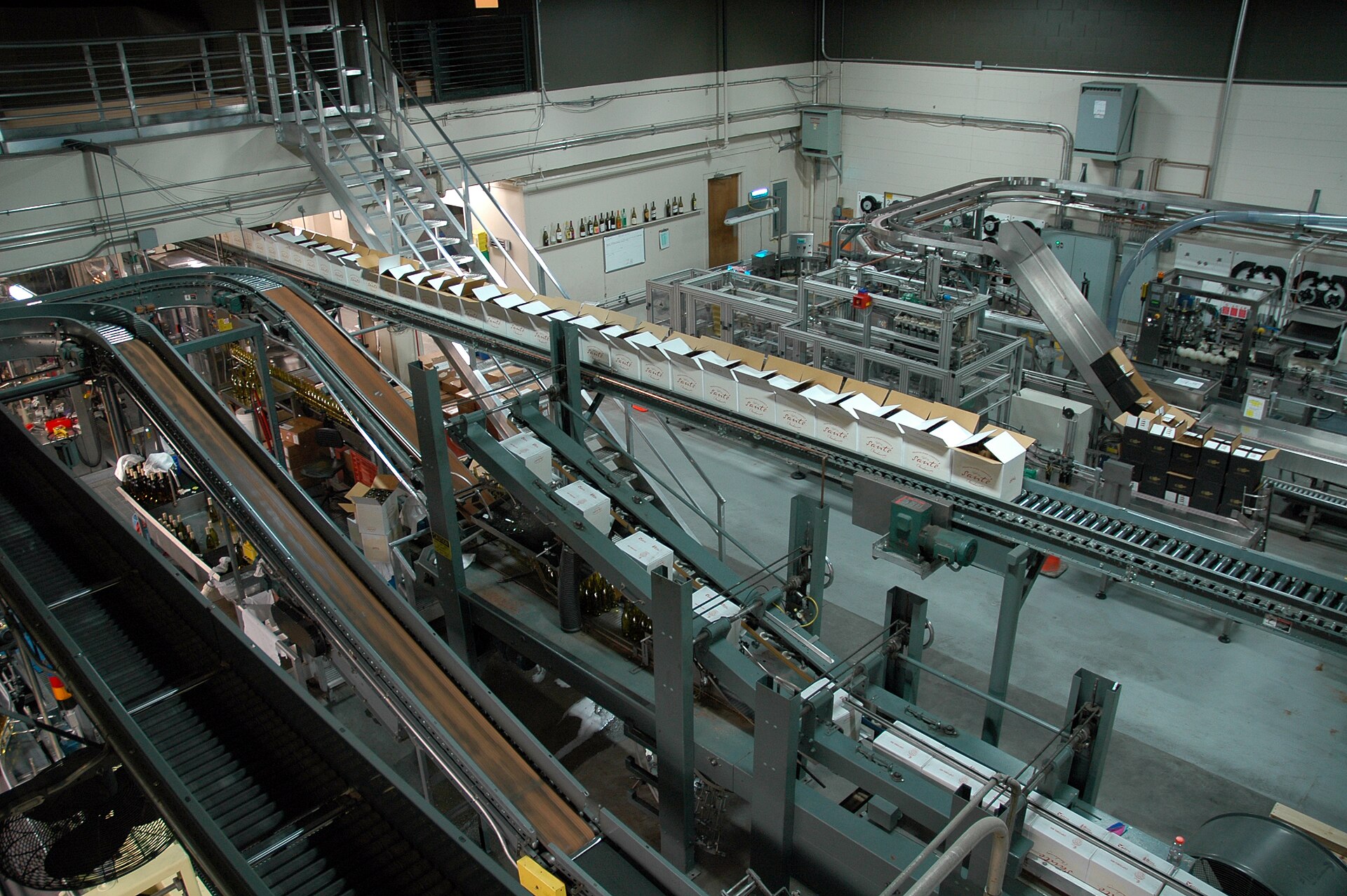
Beverage packaging line with bottles and case conveyors